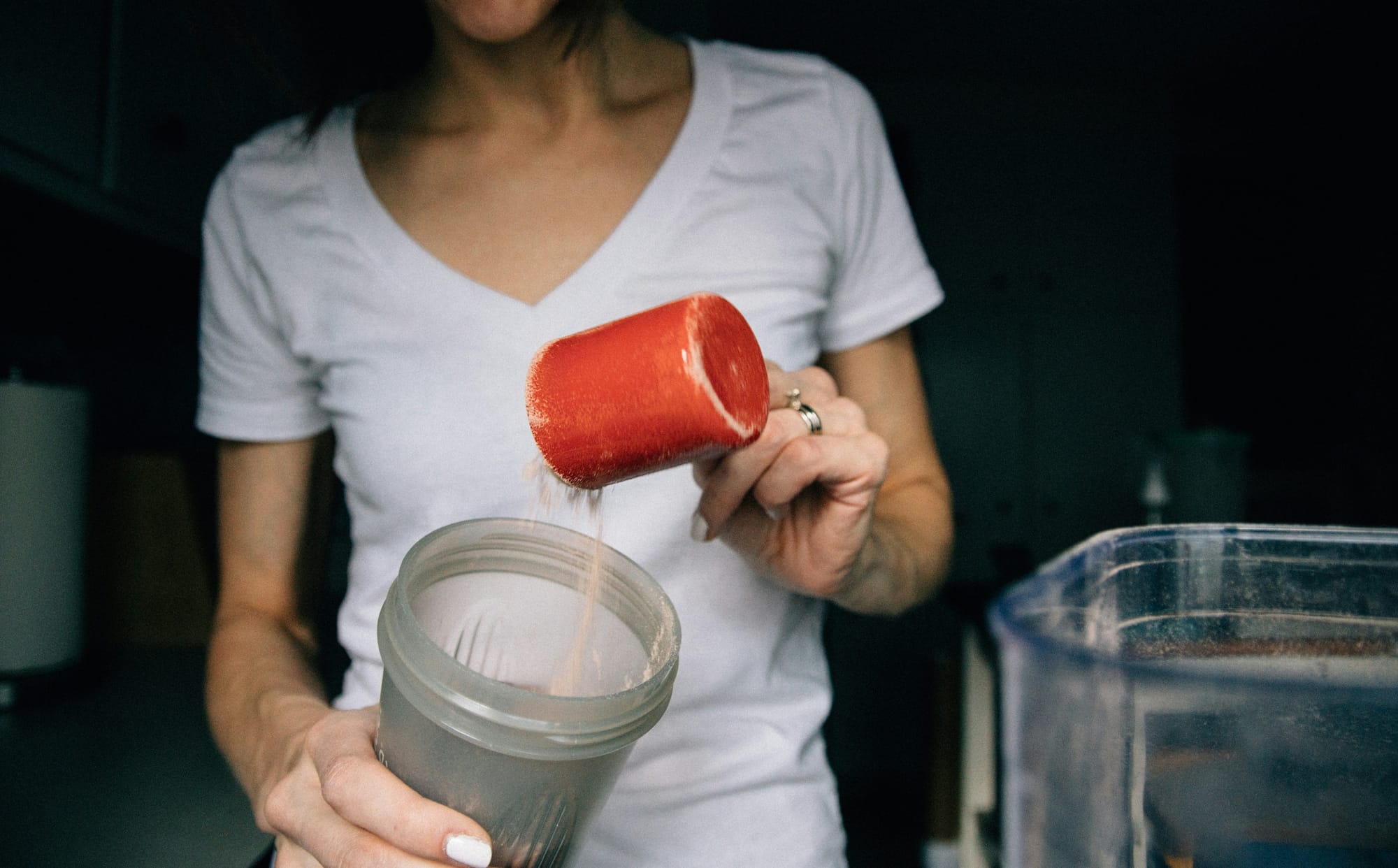


While there is no lack of information – or opinion – on every aspect of nutrition, one aspect often overlooked is the research backing it, and more specifically, sex-specific considerations of any given study. When it comes to most even vaguely health-related research, including nutrition, women are often left guessing, as the research has only been conducted on male participants. This applies to protein recommendations, too – they are built on long-standing studies focusing on male physiology, which means women are left asking: Do the rules apply to me?
 Alex Hunt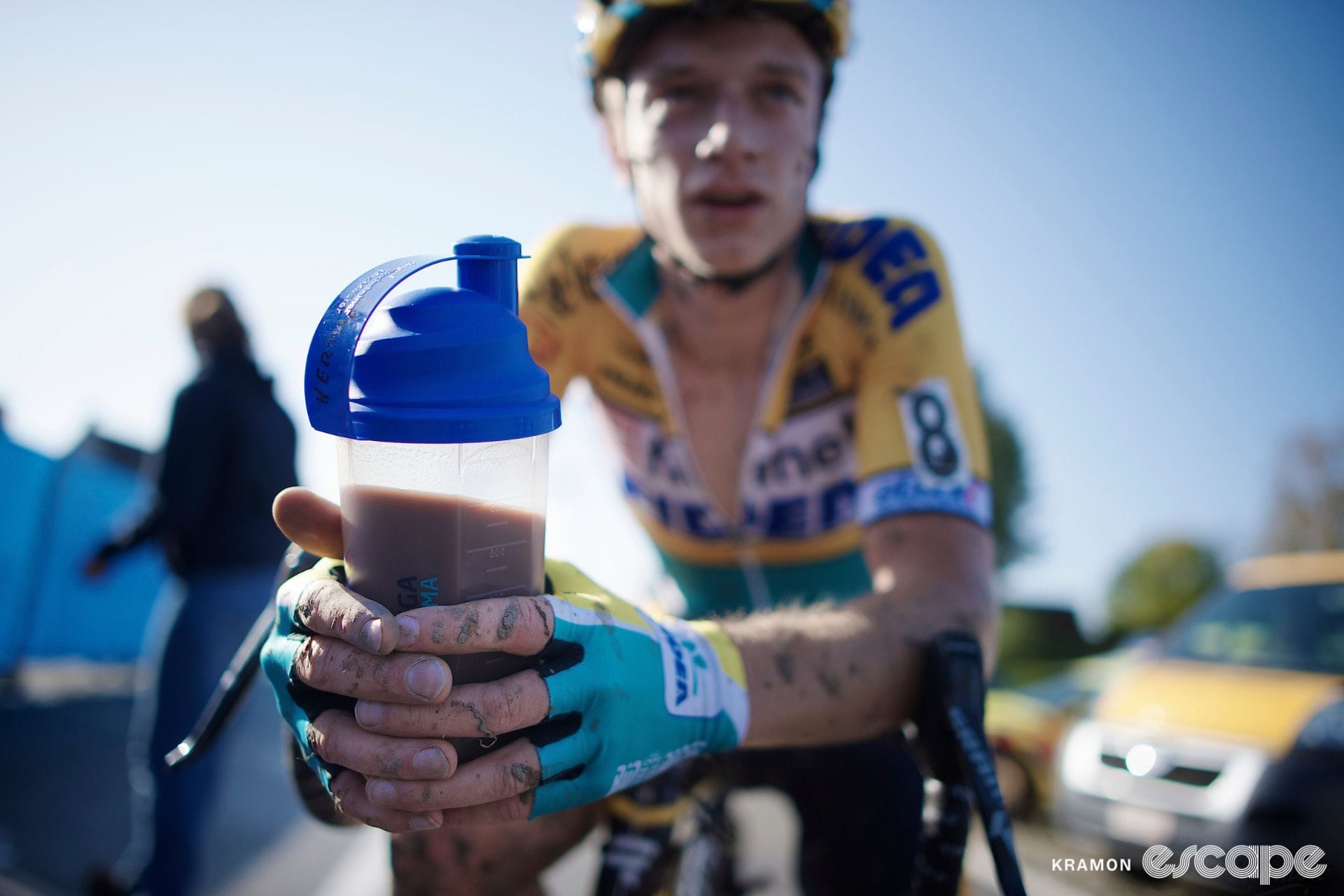
I recently wrote a story about protein and how to maximise its benefits in endurance sport. I looked at ageing, timing, and quantities, but I didn’t cover the specific needs of women. So, when our readers raised questions about it, I went back digging for answers to find out what the science says about protein needs for women. The underlying tone was one of an emerging but far from conclusive understanding, with some practical advice cautiously offered; it was clear that women-specific studies are still largely in their infancy.
The basics
The problem with protein recommendations for women is the same as it is for most physiological research: investigation has focused on male athletes, with findings often extrapolated to female athletes based on body weight, overlooking specific metabolic differences.
Women tend to burn more fat and less carbohydrate and protein during endurance exercise compared to men, likely due to oestradiol, an oestrogen hormone. Studies suggest this may reduce protein needs by 15–25% compared to men, explained Lilia Convit, research fellow of exercise and sports sciences at Deakin University.
Yet, even though the differences in metabolism can be stark, Kealey Wohlgemuth, assistant professor of nutrition and dietetics at Cincinnati University, noted that these differences do not necessitate a completely new protein strategy for women. Although Convit suggests a 15-25% reduction in protein requirements for women compared to men, Wohlgemuth thinks that the gap may be smaller. “Both male and female athletes need both adequate carbohydrate and protein to fuel training and recovery, but there aren’t huge differences in the protein needs of male and female athletes,” she said, while acknowledging that data on female-specific requirements, especially how it may vary across the menstrual cycle, remain limited.
Even outside endurance exercise, maintaining a protein-rich diet remains important for female athletes. Convit notes that average protein requirements for women sit around 1.3–1.6 grams per kilogram of body weight per day, overlapping with the 1.4–2.2 g/kg/day range typically recommended for men. But again, that's often an extrapolation from male-focused research. As Wohlgemuth said, “It’s not that the guidelines are wrong; it’s that we need more female-focused data to refine them.” This is especially true in high-demand events, such as the Tour de France Femmes. In these high-stress settings, intake may rise to ~2.4 g/kg/day – well beyond the typical recommended amount, but the full benefits, or the ceiling of beneficial intake for women, remain largely unknown.
 Matt de Neef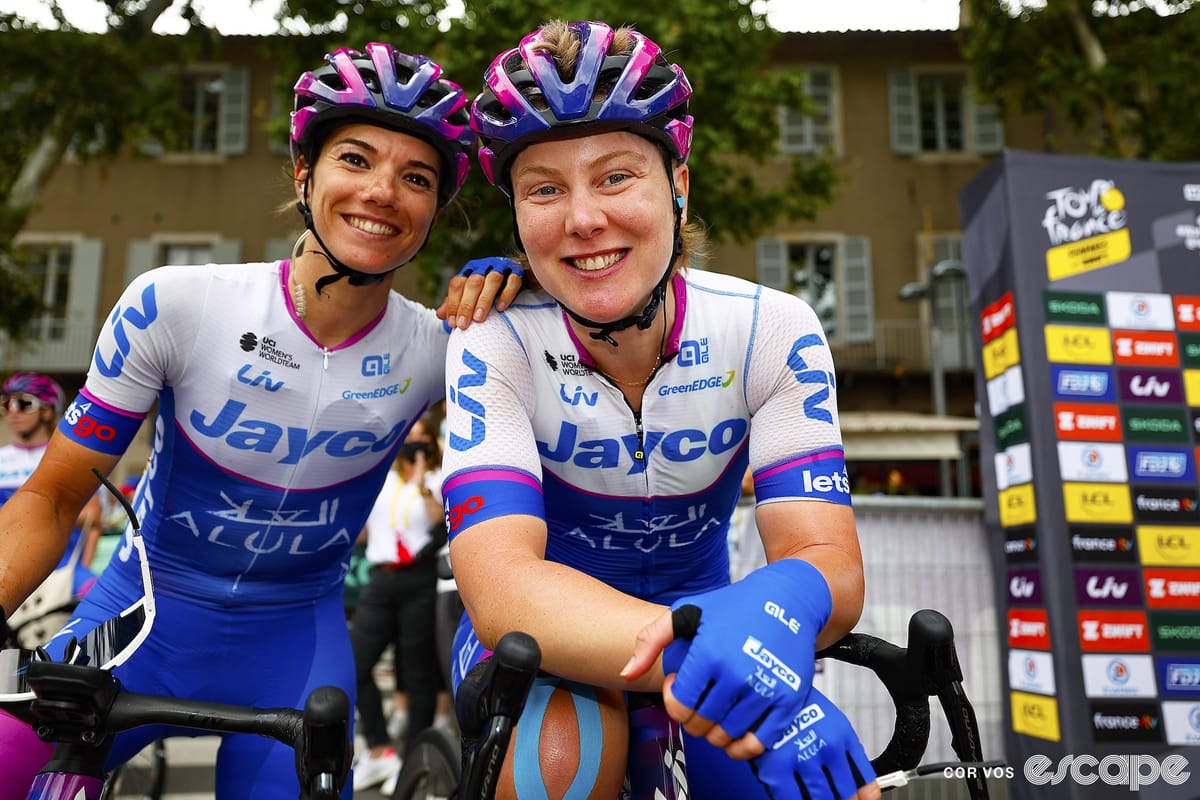
In short, while measurable physiological differences exist between male and female athletes, under the current scientific literature on the topic, the optimal protein range for female athletes aligns closely with general sports guidelines that are founded mostly on male-dominated research.
Did we do a good job with this story?