
Ah yes, that time of year to enjoy the company of others and reflect on what the past 12 months brought. Most people would look back, reflect on all the good times, things they want to do more of, and things not to repeat. Me? My mind went to workshop tooling trends that I’m (finally) starting to see gain some traction amongst mechanics and keen DIYers. Strange.
Regular readers of Threaded may find this edition to have some familiar learnings, sort of like those TV episodes where editors are left to create new content from old snippets. Still, consider this a summary of some broad themes I’ve discussed previously (follow the hyperlinks for more information) and that deserve repeating.
So with that, and in a similar spirit to Josh Weinberg’s tech trends article (to emerge in a week or two), this edition of Threaded looks at emerging trends in bicycle tooling.
Better quality tools
It’s been a long time coming, but I’m starting to see clear evidence of quality tool brands gaining real traction in mainstream cycling circles. Long-time readers of Threaded (or my prior writing on tools) will be well aware of my thoughts on this one. Quality tools don’t just last longer, they typically provide more consistent results, fewer f*ck-ups, and a better outcome.
Wera hand tools are the obvious example with a significant investment that’s been bubbling away for the past few years, including attendance at all major cycling trade shows. More recently, I was surprised to see Hazet banners spread along the course of a World Cup race, with the German automotive brand beginning to make a few cycling-specific tools, too. I’ve also seen the likes of Knipex feeding tools to a few cycling YouTubers and social influencers (sadly, I can still claim to have bought all mine).
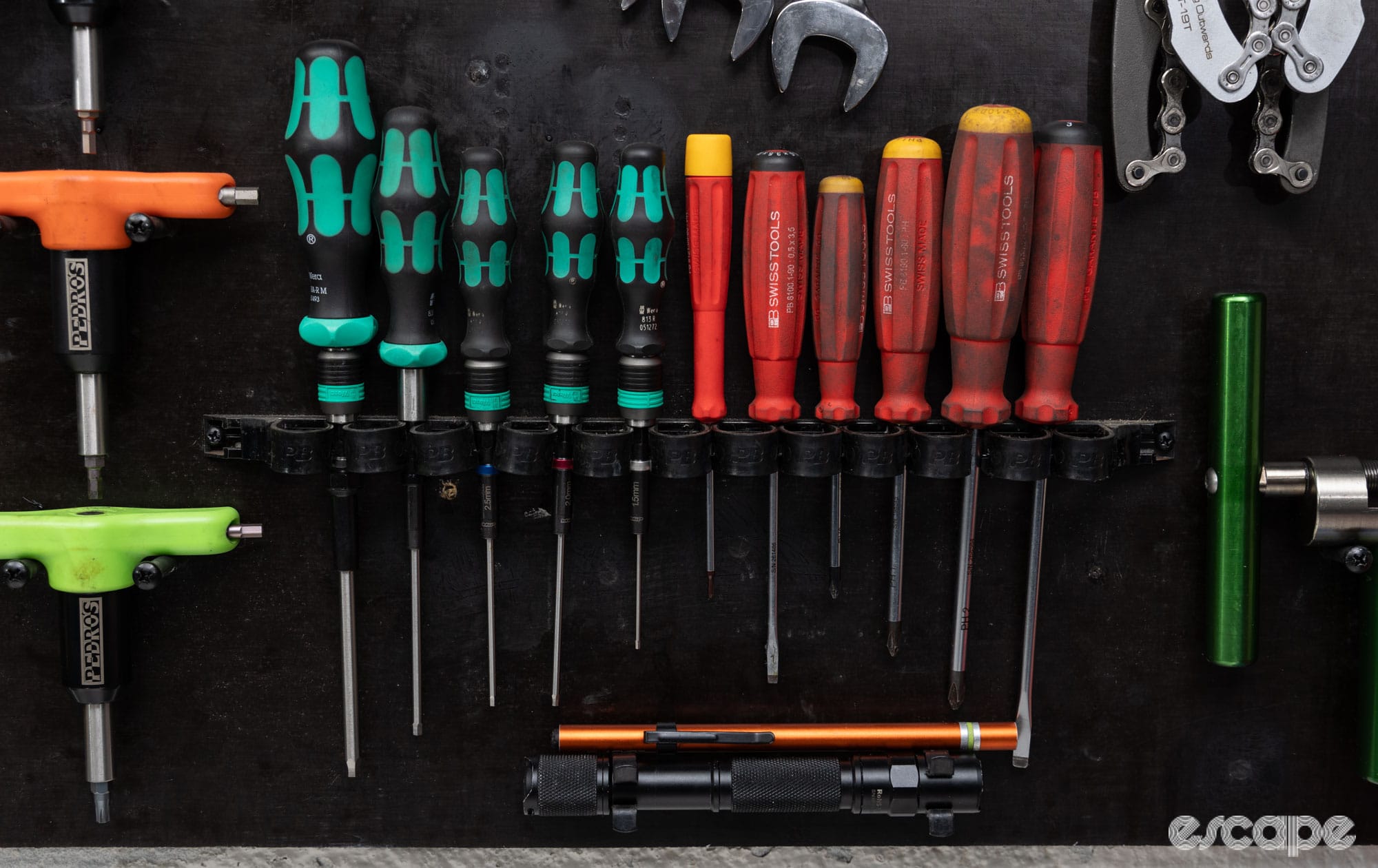
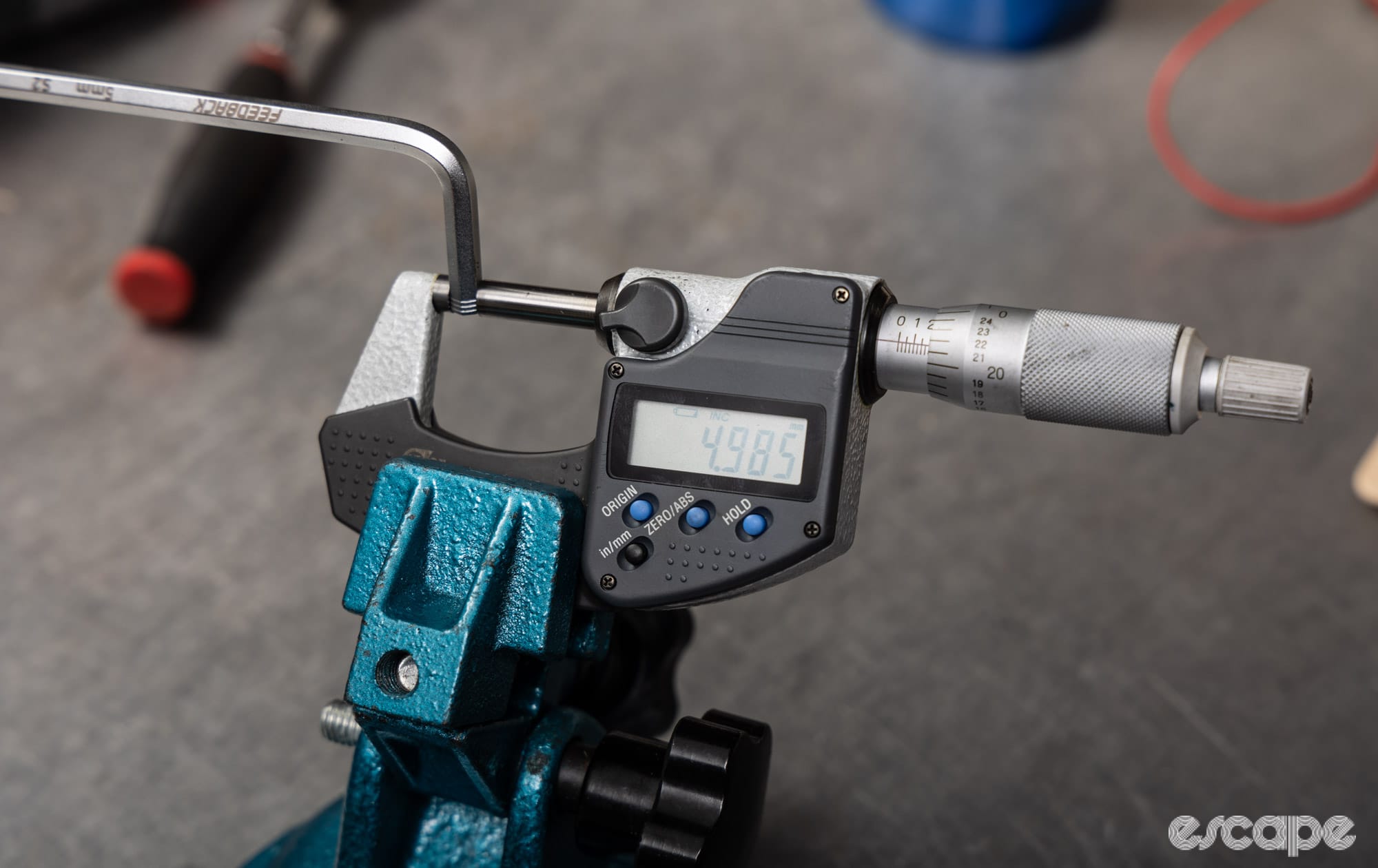
The premium specialists lead the way, but the cycling tool brands have been stepping up to compete.
Overall, I’d say the general quality of tools offered by the cycling-specific brands has largely improved. A lot of that would be down to improved processes and standards with the contracted tool manufacturers, but whatever the cause, I’m down for it.
If you find yourself rounding bolts, slipping off bottom brackets, or being unable to grip something with your pliers, then I’d strongly recommend looking to more premium options. You deserve it.
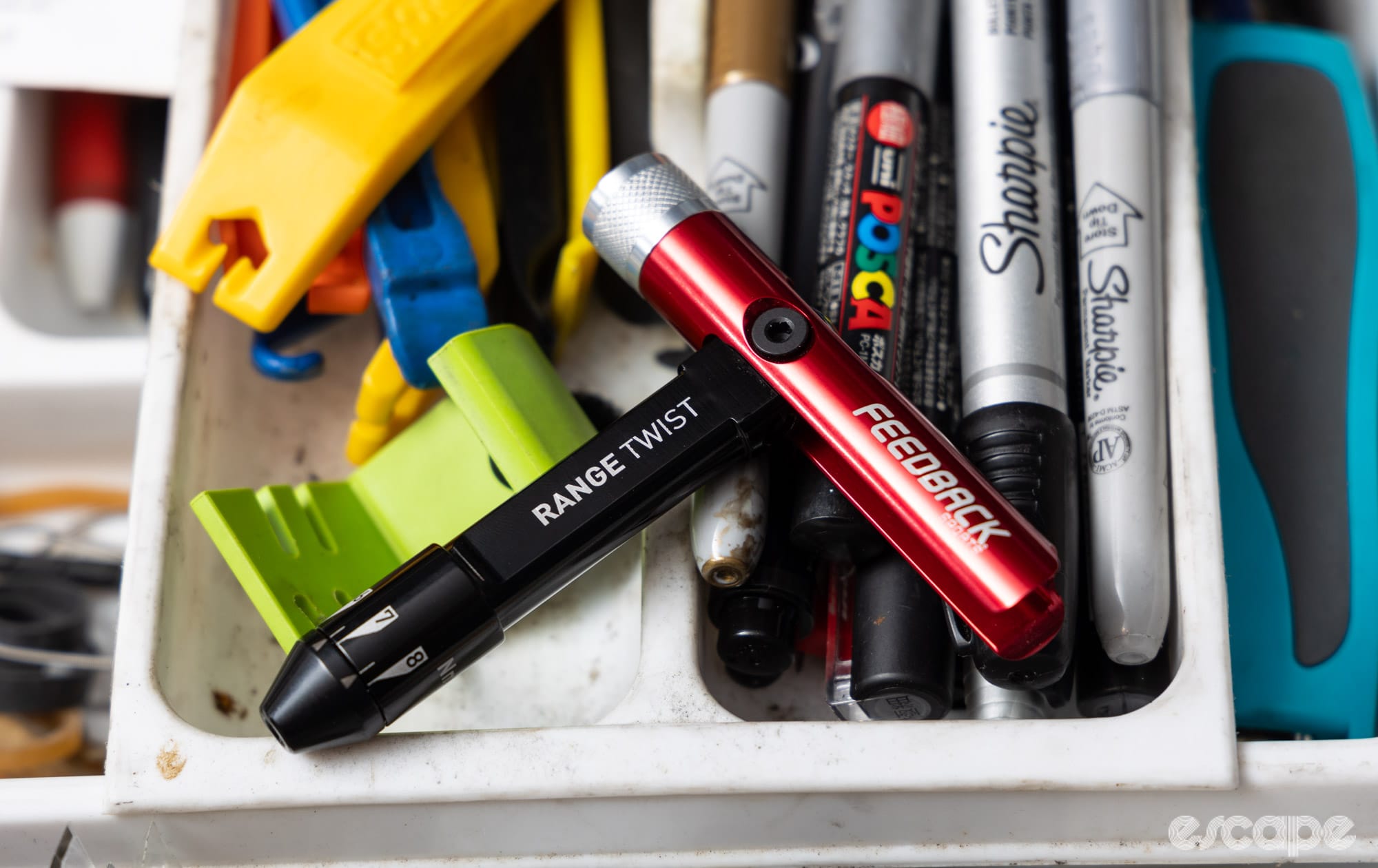
Threaded is an ongoing series created for professional mechanics and enthusiast home mechanics in search of continuous improvement, or at least ways to bring more efficiency, precision, or just joy to the work.
It’s photographed, written, and created exclusively by me, Dave Rome. With approximately 20 years of experience on the tools, and more than a decade of documenting other mechanics' work, I aim to share my passion for finding quality tools and tips on how best to use them.
This series takes many hours to create, and the information shared isn't available elsewhere. It's merely through the support of our members (readers) that this content exists.
If you're seeing this, just know that below that regwall (enter your email address to see the whole article) sits a whole lot of good stuff.
Electrical efficiency
Working on bikes has historically been done with simple tools, but I’m seeing an increasing number of mechanics recognise the efficiency gains awaiting in electric tooling. Whether that’s electric workstands, electric screwdrivers, electric tyre inflators, disc brake bed-in machines, or lasers for aligning stems, the increase in product options and their adoption is a clear trend.
Did we do a good job with this story?