

If you ride a mountain bike in the UK, chances are you either use – or would quite like to use – components from one of the strongest British brands in the sport: Hope.
The ethos of the brand hasn't changed in over 30 years; the components that are designed and built by the team are created to solve the problems they encounter as riders. In this sense, Hope is very much a brand for riders, by riders.
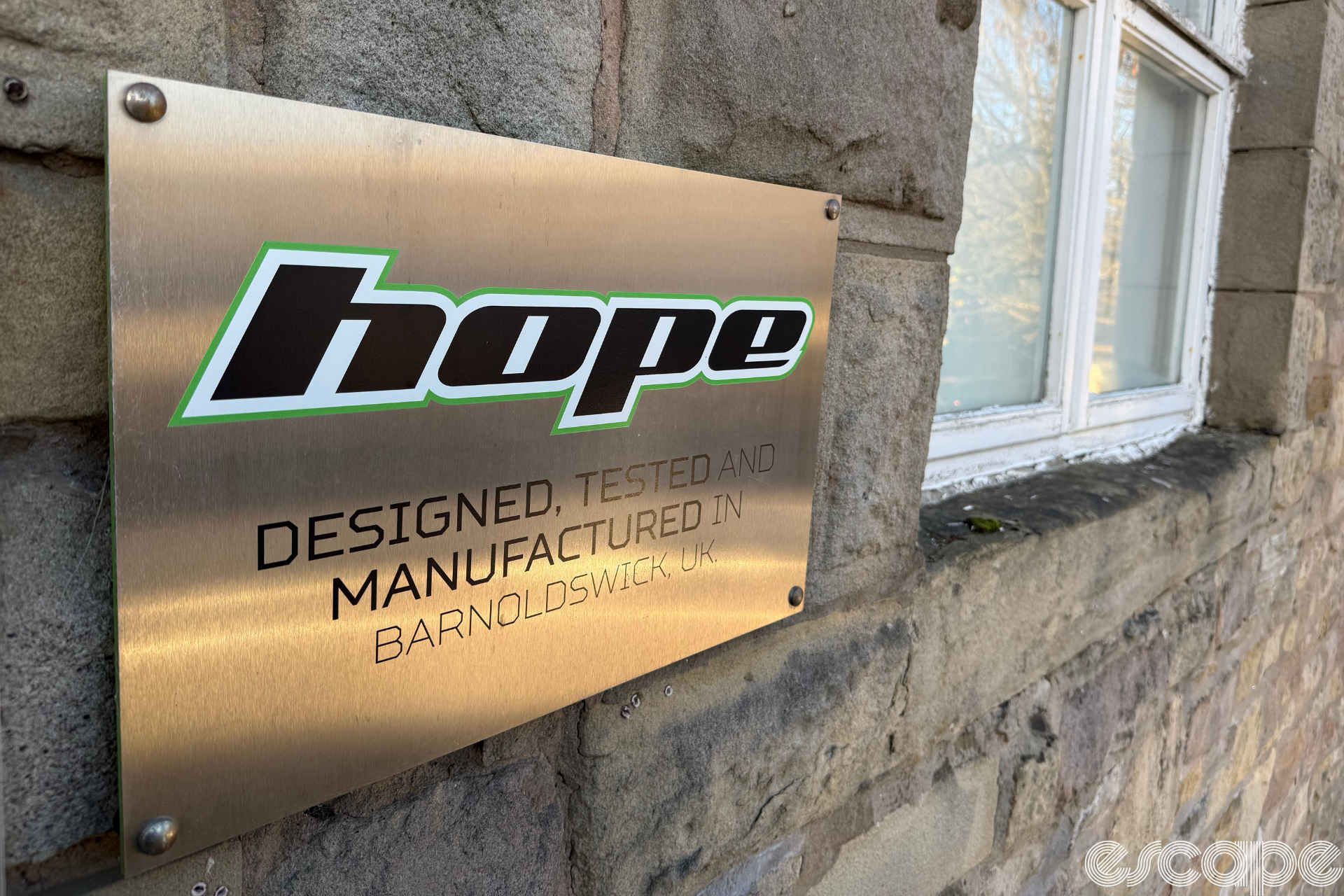
Around 140 staff work at the company’s Barnoldswick facility, where production runs around the clock and turns out roughly 30,000 brakes and 80,000 hubs every year. What’s remarkable is how deeply Hope commits to the “designed and made in the UK” idea: open up a hub and the pawls and springs were machined just 50 metres from the hub shell; the same is true for the barbs and olives hidden inside every brake. It’s not just the headline components – the whole system is born on-site.
Perched in the north of England, between the Peak District to the south and the Lake District to the north, many assume Hope’s name comes from the iconic Hope Valley. It doesn’t. The brand actually takes its name from its original workshop in nearby Colne, affectionately known as the Hope Shed.
A history lesson
In 1985, Lancashire engineers Ian Weatherill and Simon Sharp founded a small machining company called IPCO, producing precision tooling for aerospace clients. Both were keen cyclists and motorcycle-trials riders, and as mountain biking burst onto the scene in the late ’80s, they quickly became frustrated with the era’s cantilever brakes. So, almost as a side project, they began machining their own disc brake – borrowing the concept from trials motorcycles and adapting it for early MTB frames, forks, and wheels.
The experiment worked astonishingly well. By 1991, IPCO had become Hope Technology, and the pair launched a mechanical disc brake and a matching disc-specific hub to the public. It was years ahead of mainstream adoption and immediately caught the attention of the MTB world. In this sense, Hope was one of the first companies pushing mountain bike braking into the future.
Throughout the 1990s, the brand expanded rapidly. It began exporting to the US, invested in CNC machining, and built a reputation for parts that were both innovative and obsessively well-made. Hope's titanium Ti-Glide hubs became cult favourites, and by the mid-’90s, the brand's hydraulic brakes were bolted to World Cup downhill bikes – including Rob Warner’s winning setup at Kaprun in 1996.
By the 2000s, Hope made a defining decision: to stop all non-cycling contract work and focus solely on bike components. Paired with sustained investment in UK manufacturing, that decision set them apart. Today, virtually every part Hope sells – from hubs and brakes to stems, pedals, and small parts – is machined, anodised, and assembled in Barnoldswick. In an industry that has offshored nearly everything, Hope doubled down, doing everything under one roof.
The ambitions haven't stopped at components. In 2017, Hope began developing full frames, eventually producing some of the most distinctive British-made bikes of the era, along with the headline-grabbing HBT track bike, in collaboration with Lotus. Built for the Great Britain Cycling Team, the HBT showcased the same principles that have defined Hope from the beginning: precision engineering, performance-led design, and a willingness to tackle complex problems themselves.
Over the last 30 years, Hope has become a globally recognised brand built on persistence, craft, and a stubborn commitment to doing things their own way.
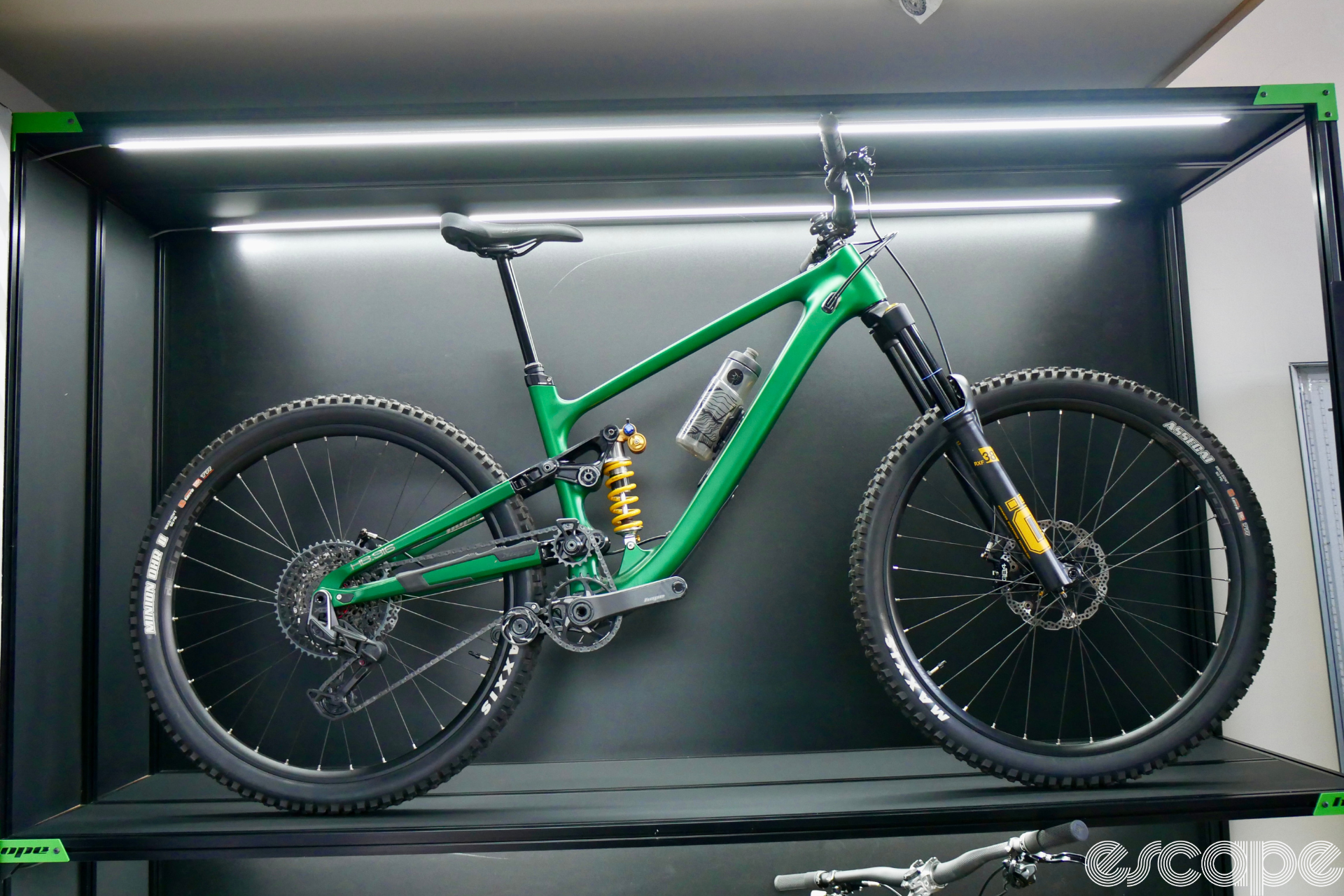
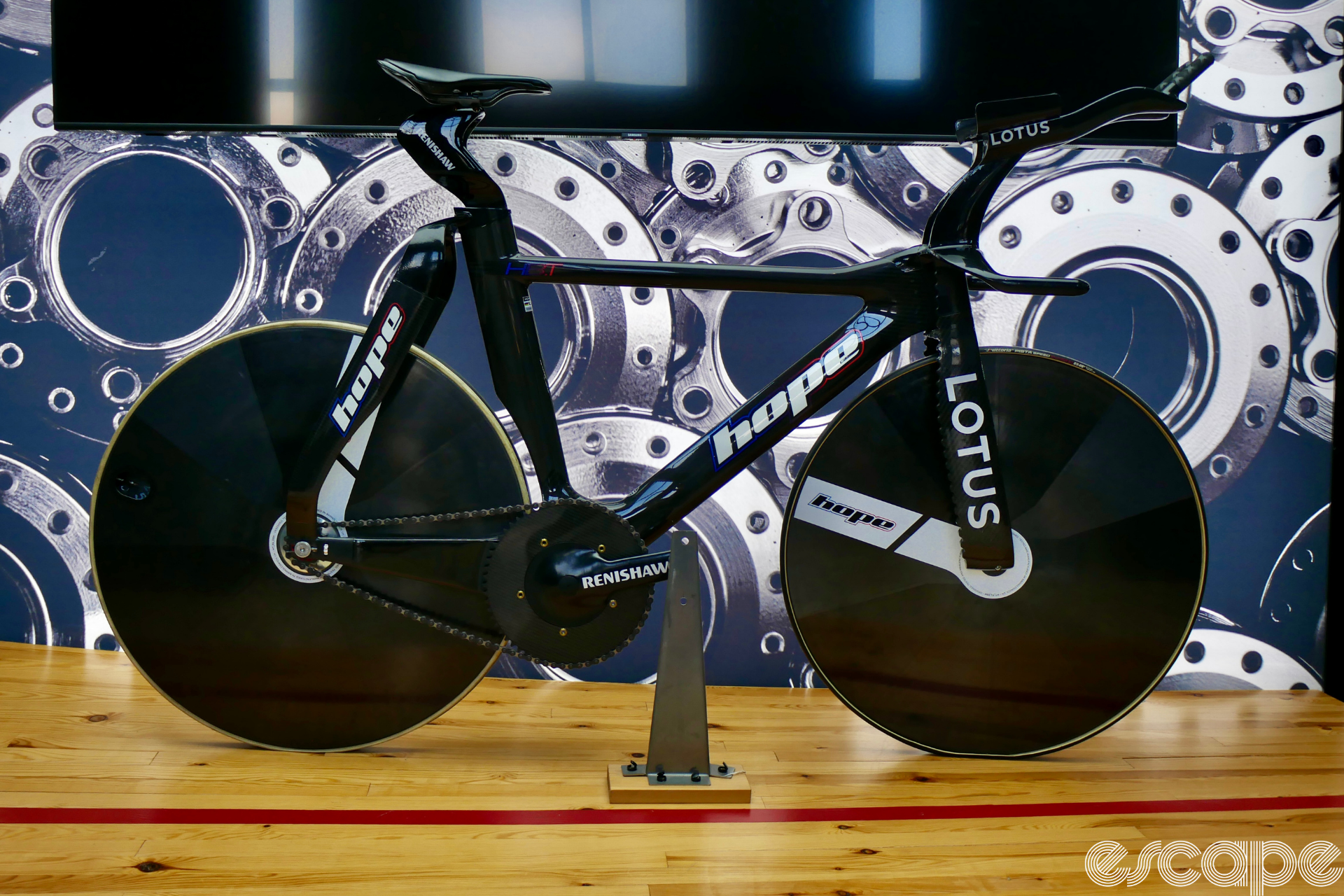
Entering the Hope facility, you are immediately greeted by a showcase of the brand's products, both new and old. Front and centre behind the entrance is the Hope Lotus HBT track bike, raced to many gold medals by the Team GB track cycling team.
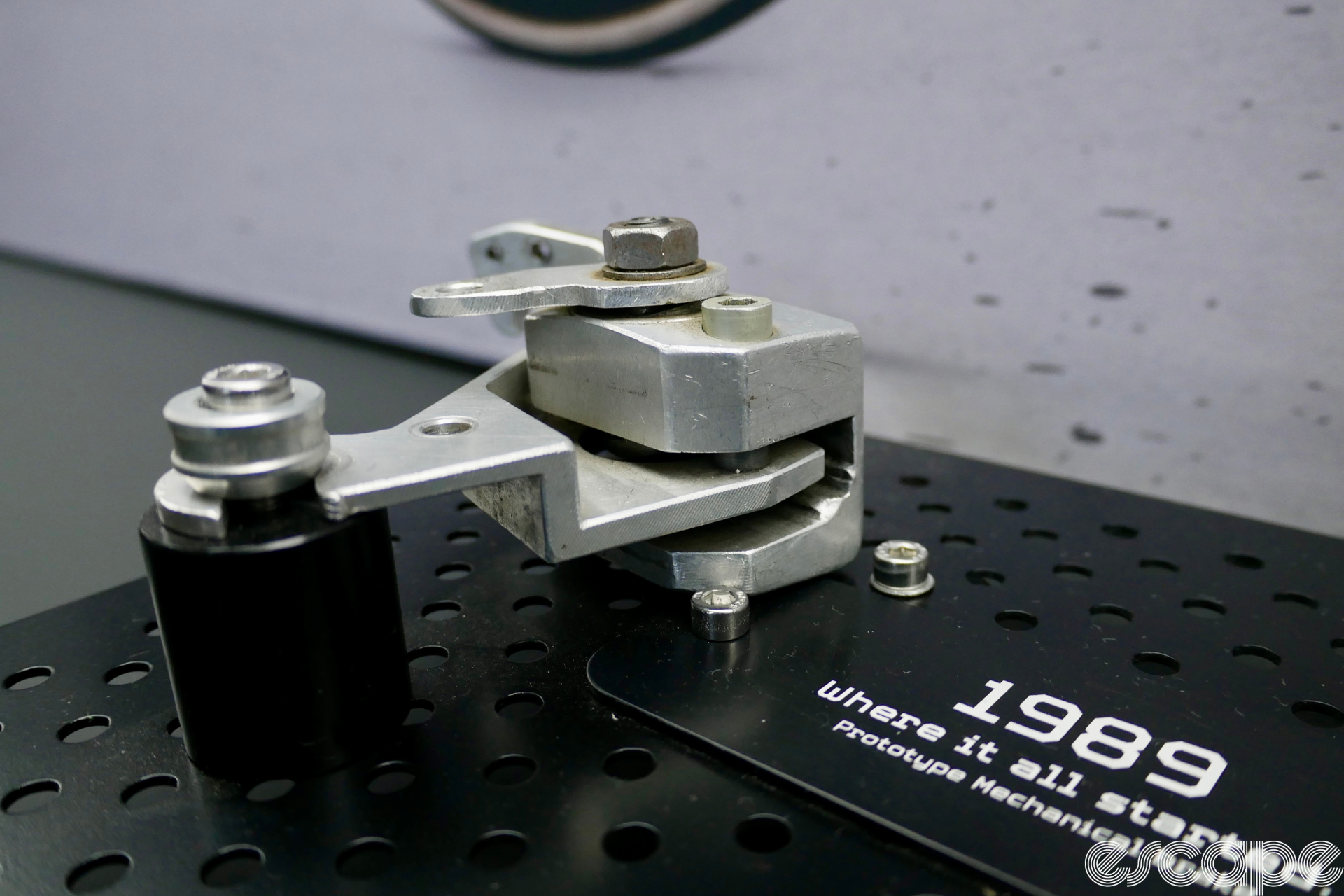
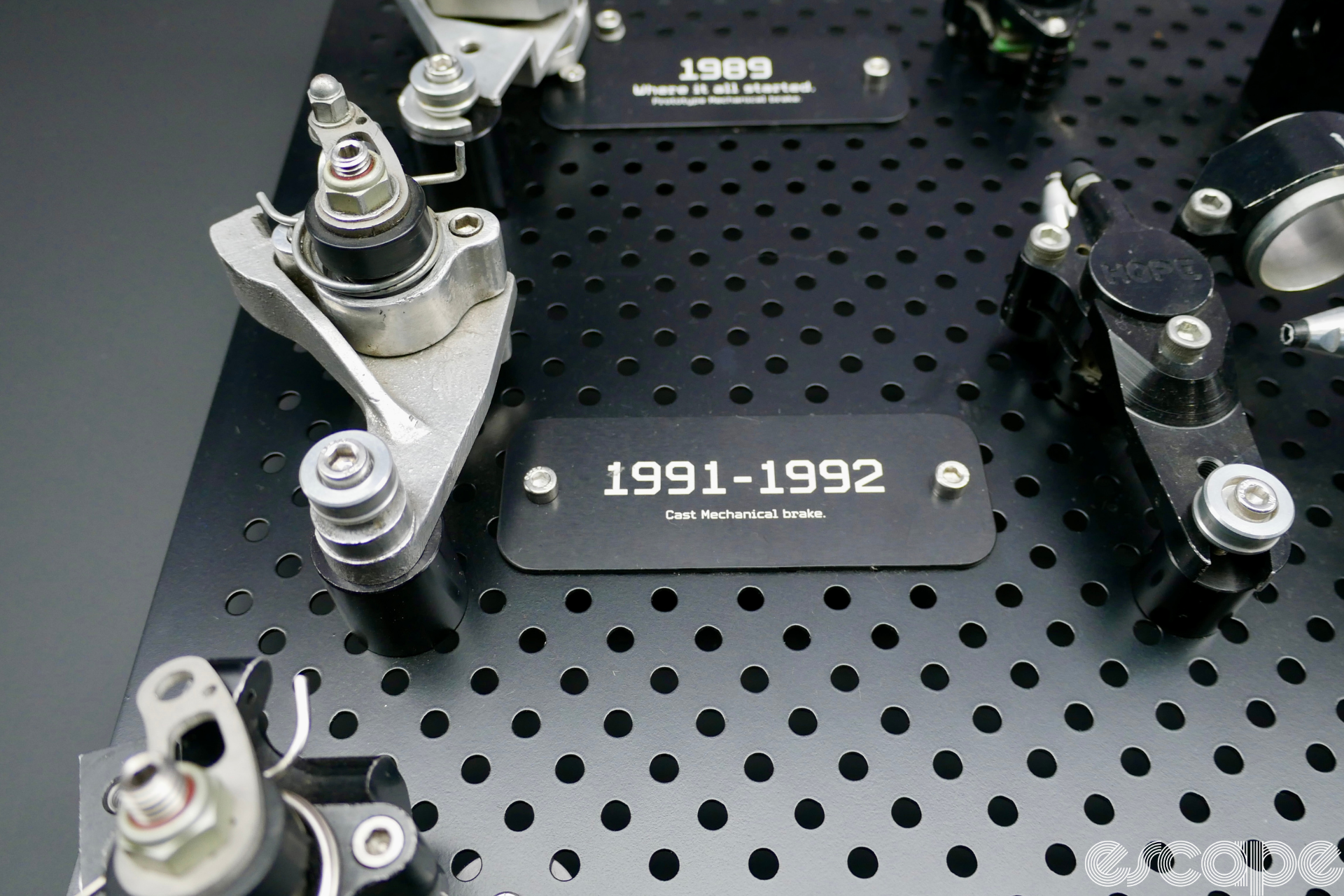
Off to the side of the brand's bike display is a small stand reminding any visitor of Hope's cycling roots. In 1989, the brand began experimenting with mechanical disc brakes as something of a personal side project.
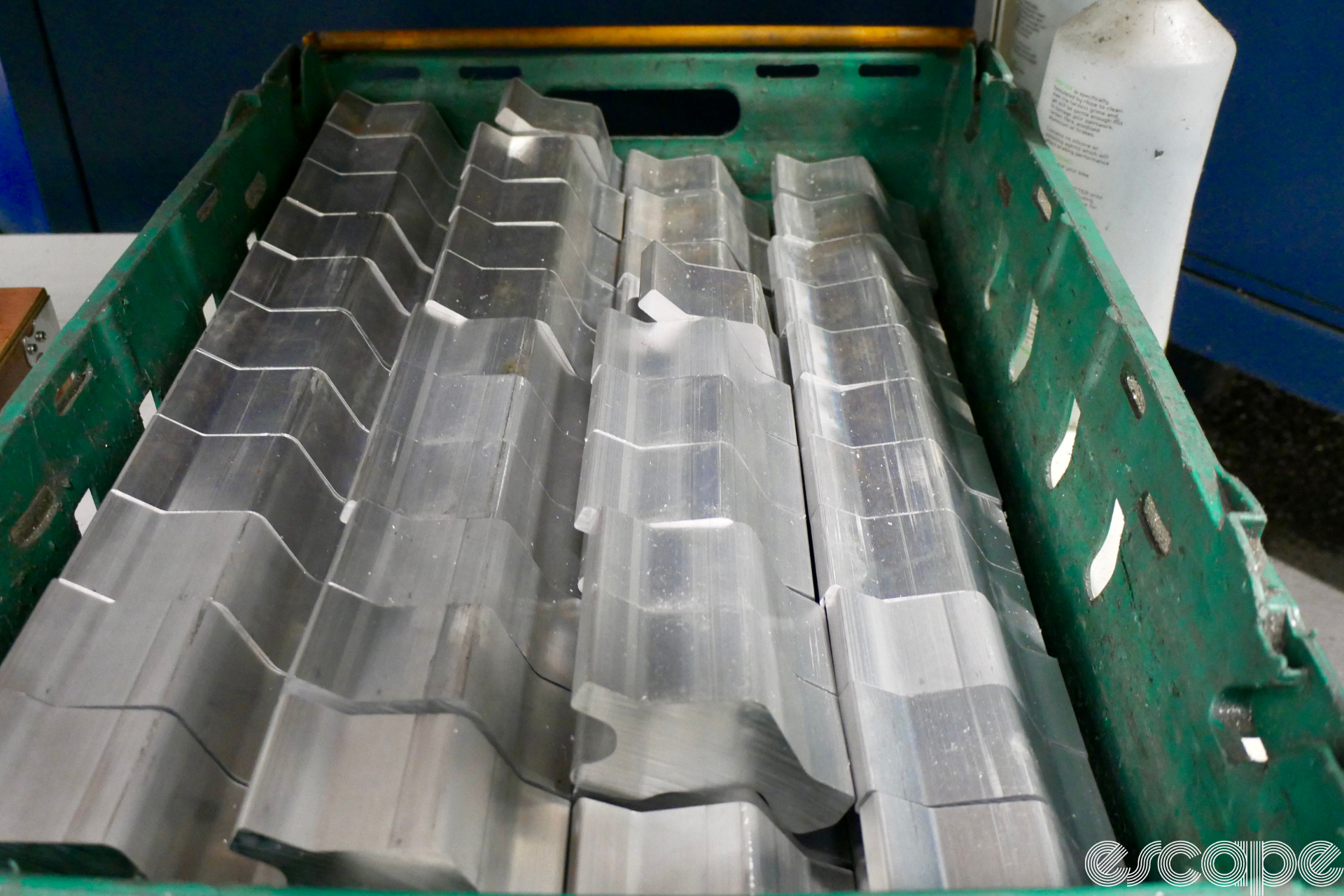
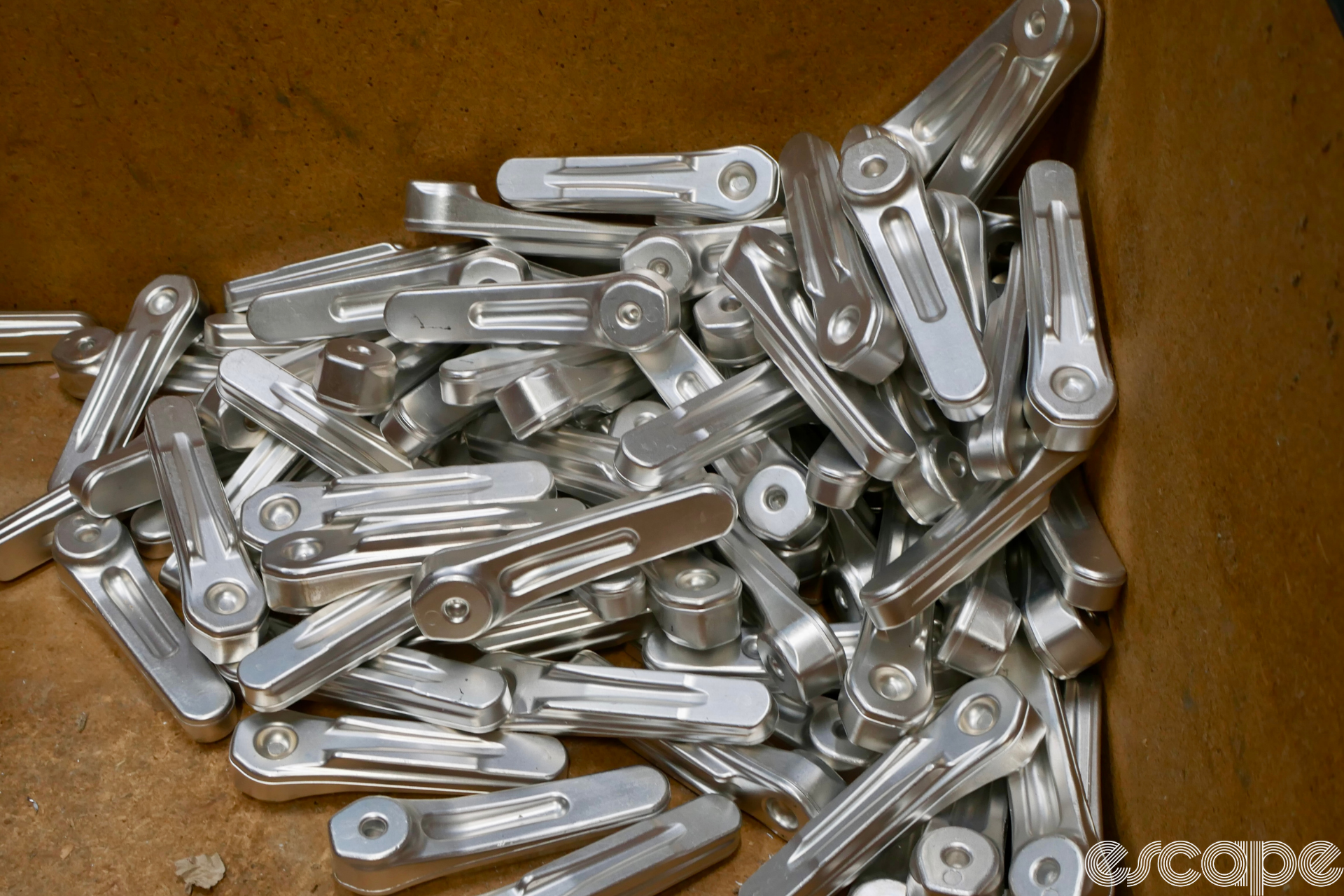
How the material arrives in Barnoldswick varies depending on the product. For most components, if a simple round or square bar was used, more than 60% of the material would be machined away as waste. To minimise waste and to reduce the machining time of each component, Hope uses custom bar shapes for many of its components.
Did we do a good job with this story?