

Cycling is a sport that rewards commitment, discipline, and a level of consistency that can be testing for anyone. Some mornings you’re flying out the door, hungry for the ride ahead. Other days, the kit stays on the chair, and the excuses pile up. Motivation isn’t just a flicker of enthusiasm; it’s the system that keeps you showing up and finding meaning in the grind.
That system is fragile. Left unchecked, it can falter when the weather turns grim, when goals feel distant, or when life pulls harder than the bike. But it can also be built and strengthened through goals that deeply matter to you and the values you hold.
As sports psychologist Charlotte Ricca from Kinda Brilliant Sport and Performance Psychology put it, “motivation isn’t magic; it’s a psychological system.” Understanding how it works can mean the difference between suffering until burnout, and riding with purpose and lasting self-fulfilment.
Sustainable motivation isn’t about chasing every KOM or training like a pro; it’s about building the conditions that make cycling rewarding, ride after ride.
Why goal-setting matters
For cyclists, motivation doesn’t just come from a love of turning the pedals. At a deeper level, it’s tied to how the brain rewards us for progress. “Motivation is essentially a product of our reward system,” Ricca explained. “Without goals, there’s no endpoint, and therefore there’s no satisfaction.”
According to Ricca, it's crucial to identify what success actually looks like. Dopamine rewards progress, which is why people can get stuck in cycles of training without knowing what they’re aiming for. Without a clear purpose, threshold intervals or Sunday long rides can start to feel unbearable.
I’ve found this to be true in my own training since I stopped competing; heading out for some VO2 intervals simply hasn’t cut it. Without a strong motivating force, hard efforts like these are hard to justify over an unstructured spin. Sure, it’d be nice to have a bit more punch, but that alone isn’t enough reason to suffer.
In this respect, not all goals are equal. Vague aims like getting fitter often fail because they aren’t measurable. “You need achievable goals,” Ricca stressed. “Something you can measure; something you can look back on and say, ‘yes, I’ve done that.’”
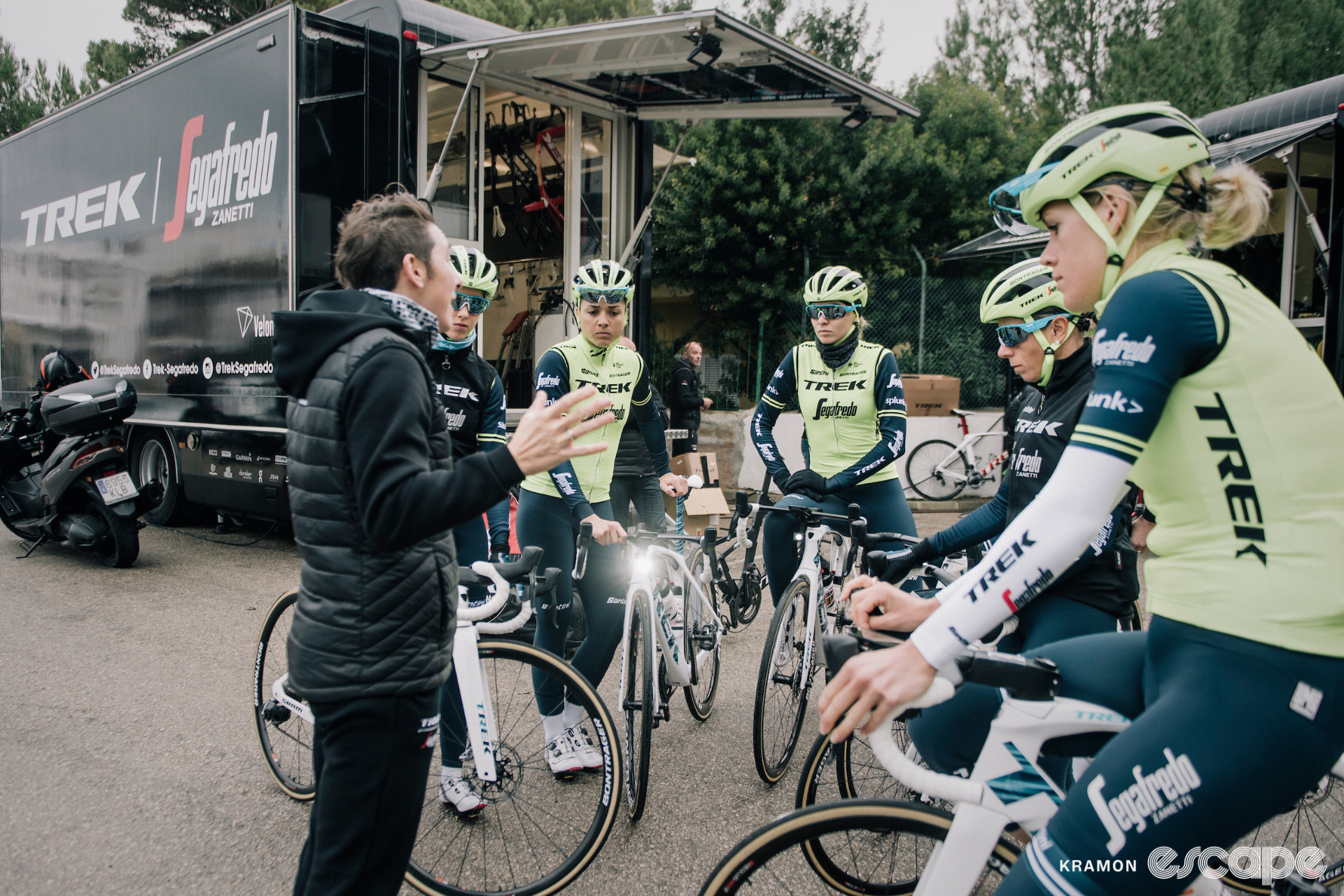
Psychologists call this self-determination theory, and it is based on the three pillars of motivation: autonomy, competence, and connection.
- Autonomy is about having ownership and choice over what you’re doing.
- Competence is feeling like what you're doing is achievable.
- Connection is about being part of something, whether that’s a cycling club, a group ride, or just sharing the journey with others.
Getting these elements right will make motivation self-sustaining. On the other hand, if you get them wrong, your motivation can collapse. That’s when training becomes a chore, and any desire to jump on the bike dries up, or burnout can start to creep in.
It’s a reminder that setting a goal isn’t just about having something to post on social media or a target on the training calendar. It’s about creating the conditions for motivation to flourish through the reinforcement of productive behaviours.
Did we do a good job with this story?