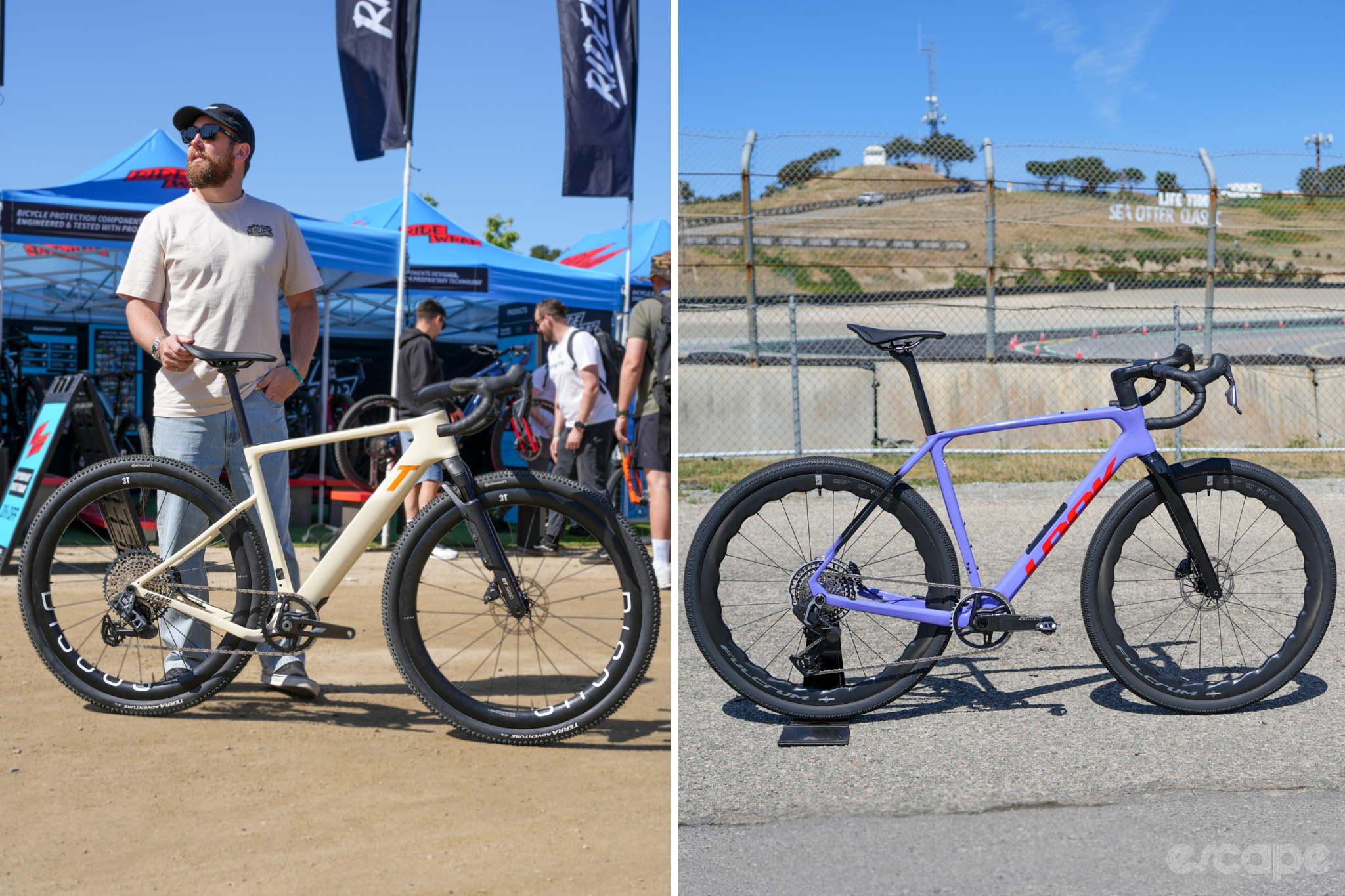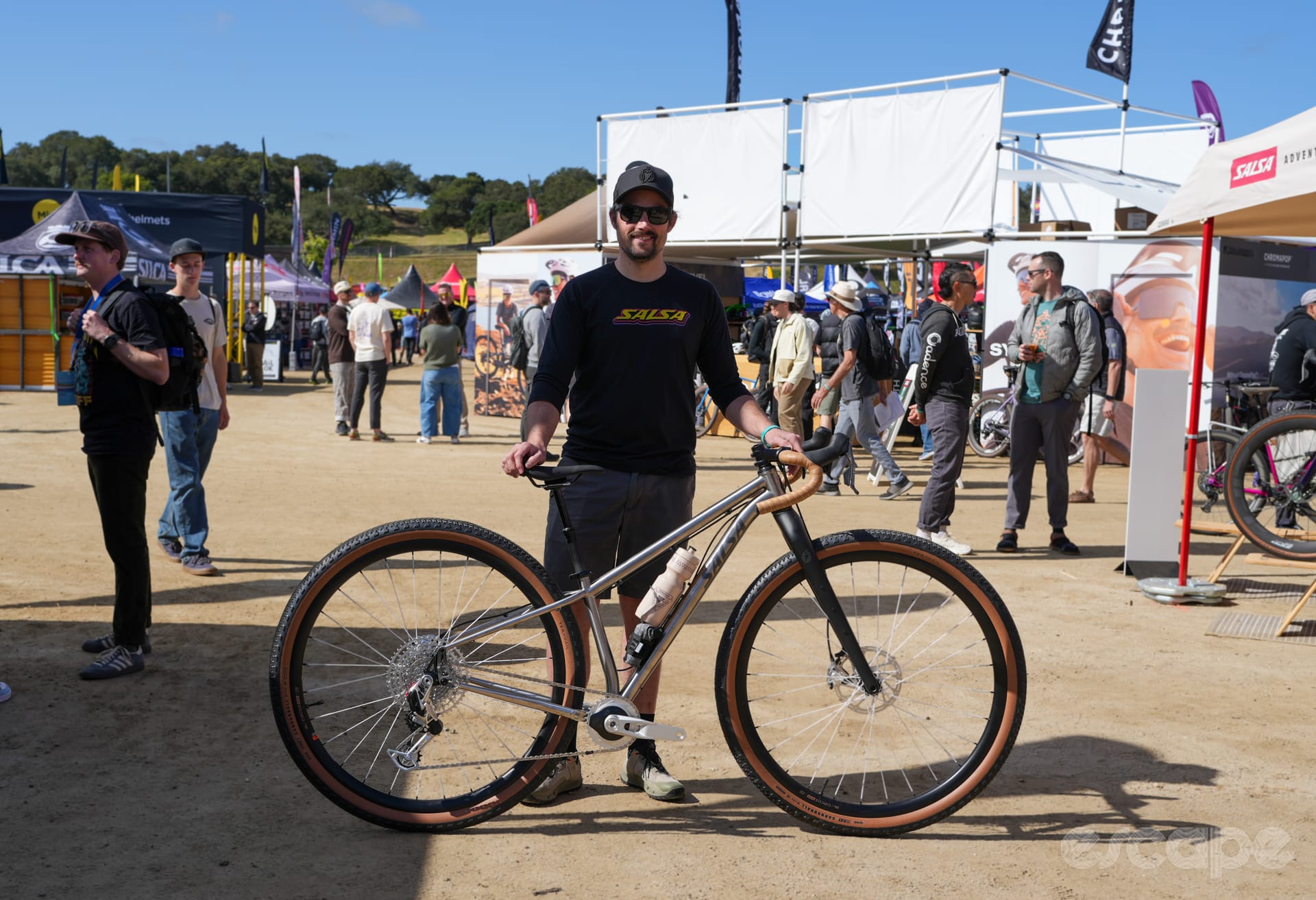

Coming away from the MADE bike show this year, I found myself doing a lot of thinking about 32” wheels and the geometry that might be required to design around this larger size. I almost built a bike around this wheel size earlier in the year – I got as far as finding a source for rims. But when I couldn’t find a way to source any decent tires I put the idea on hold.
With the very limited early supply of Maxxis' 32x2.4" tires finding their way onto three custom builds at the show, my interest was rekindled. So, what will a potential English Cycles prototype 32” bike look like?
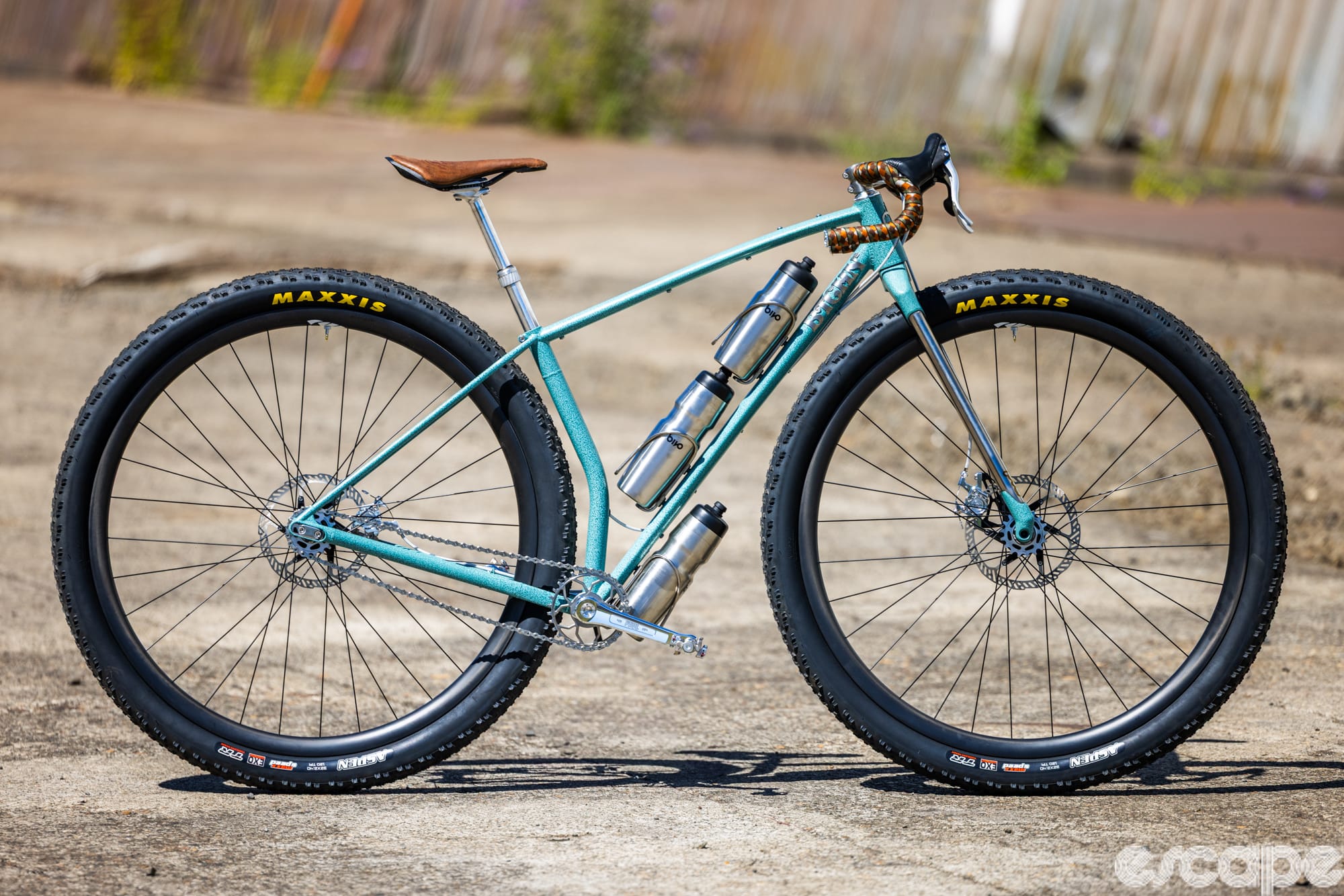
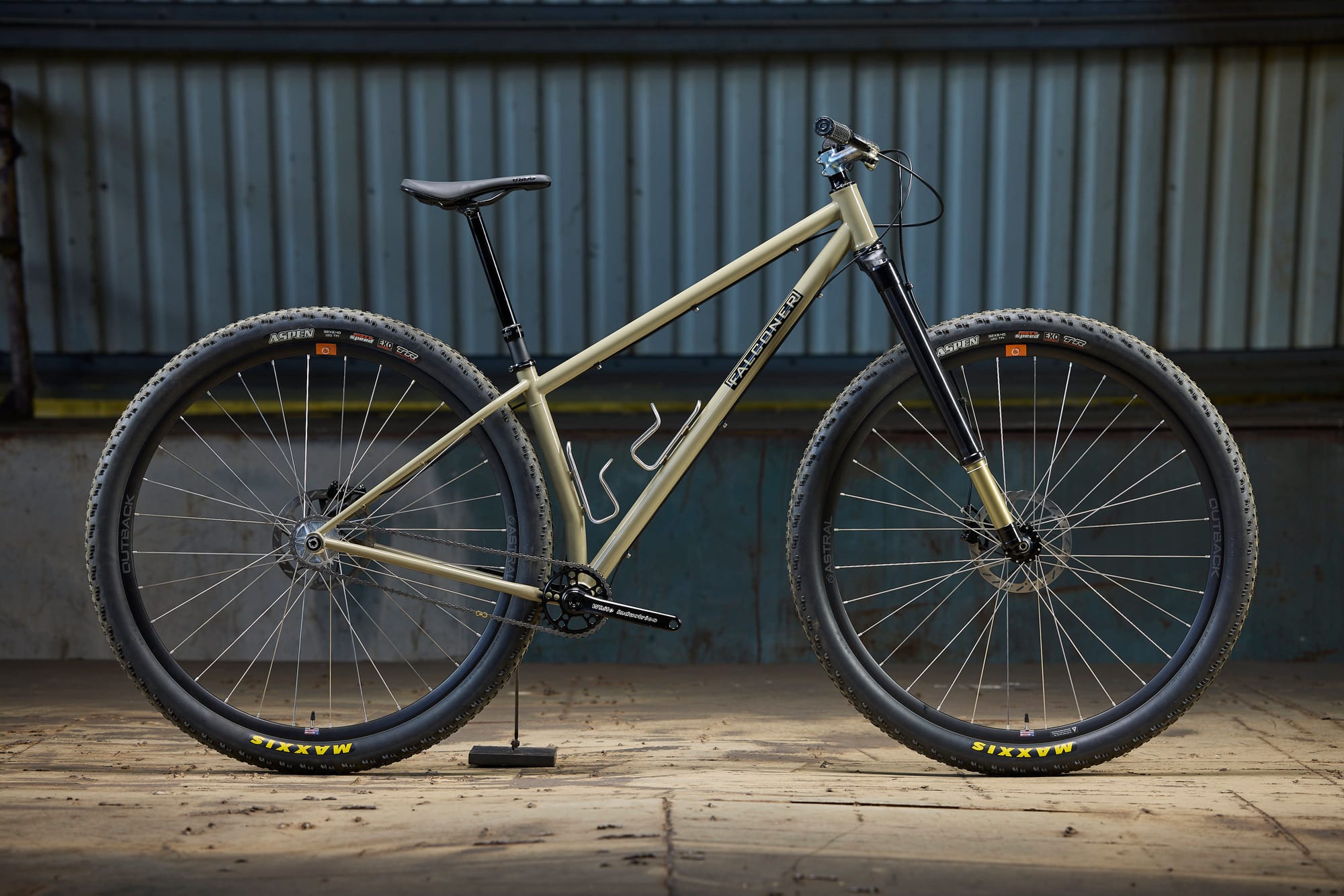
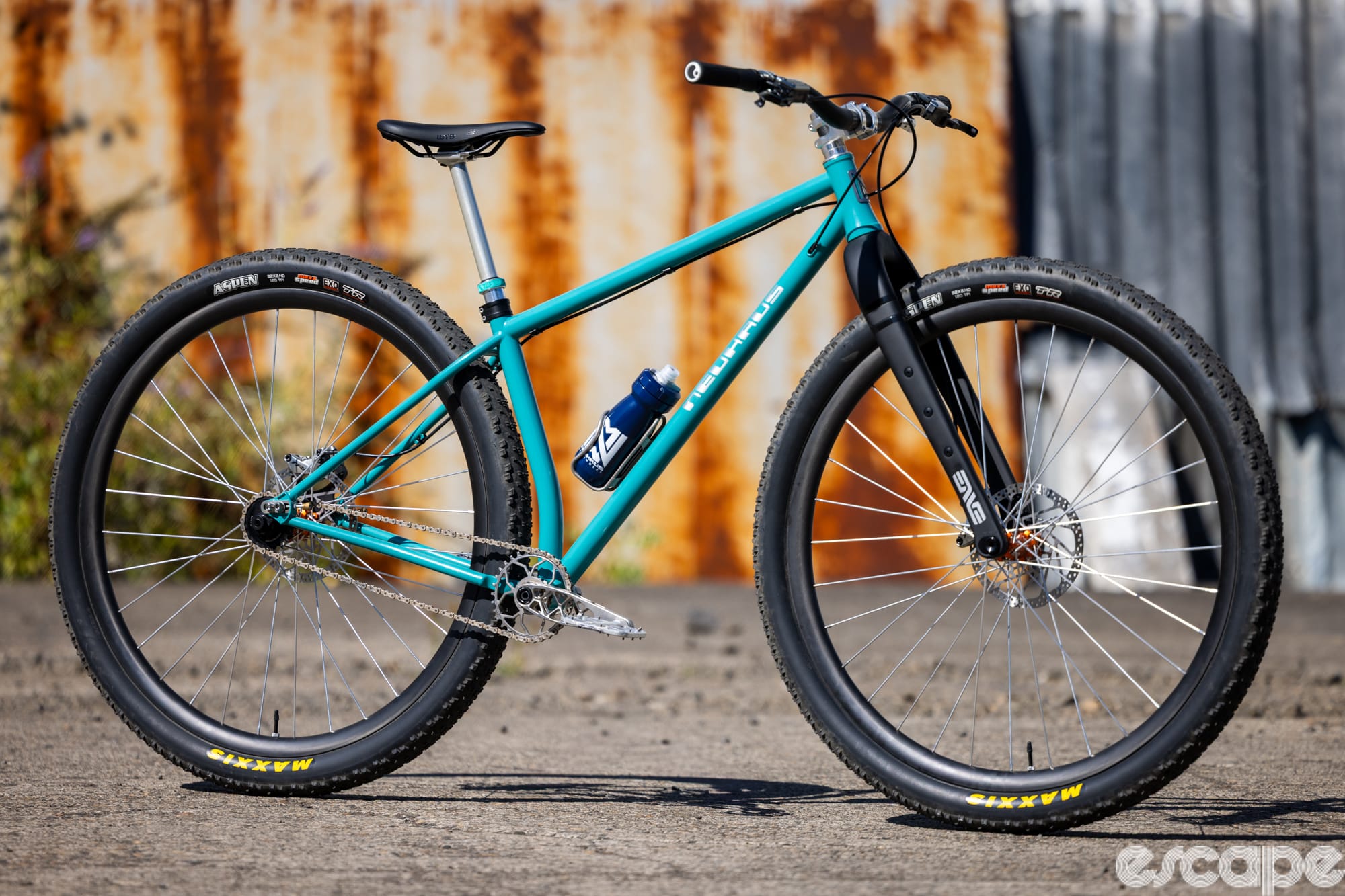
32" takes from BTCHN, Falconer, and Neuhaus, L to R.
The three 32” bikes at the Portland-based show all took different approaches, although oddly (or not), they were all singlespeeds. To learn more and inform my future plans, I followed up with the builders a few weeks later to see what they had discovered from riding the bikes and what design considerations and constraints had been identified.
 Josh Weinberg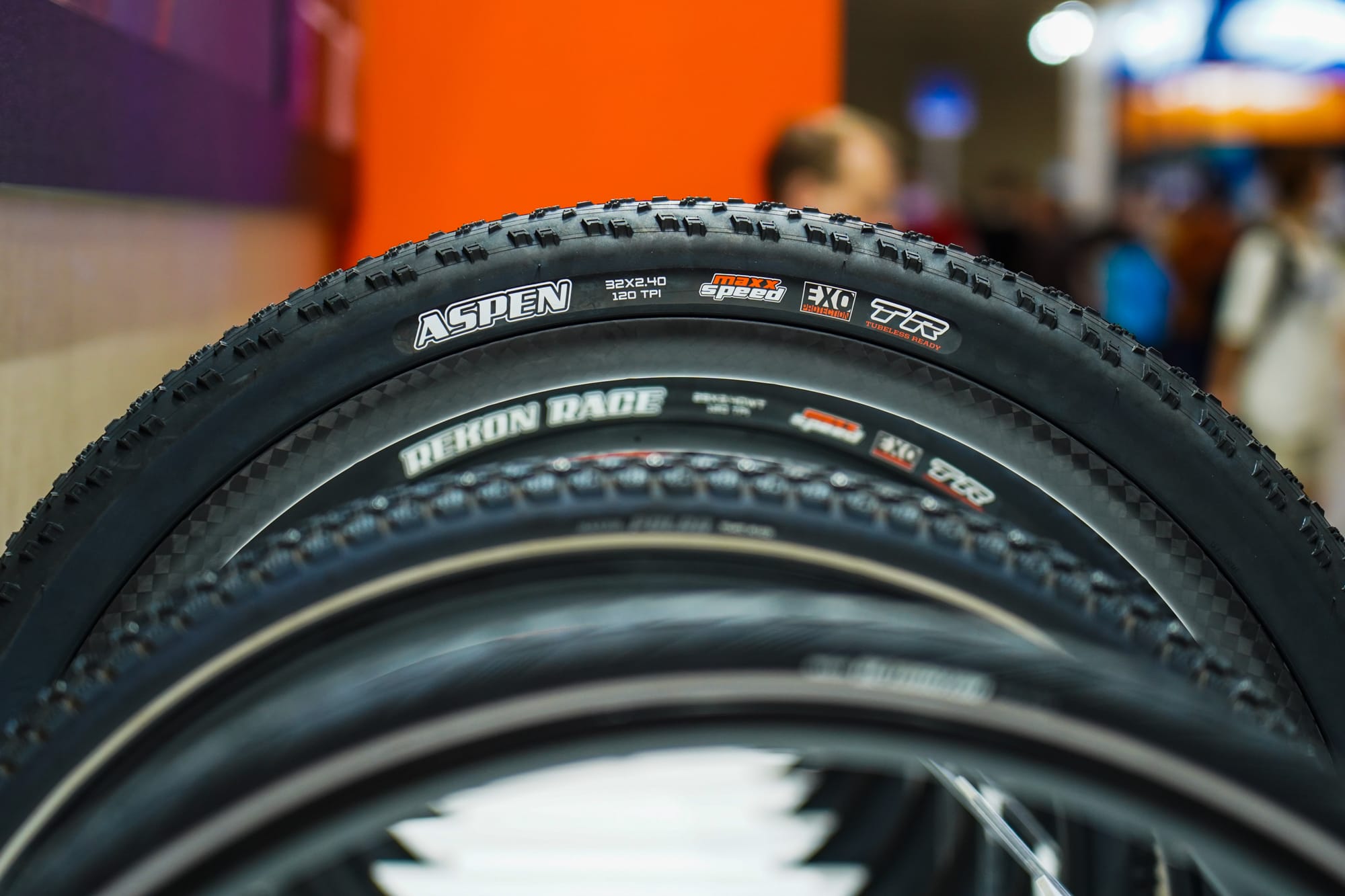
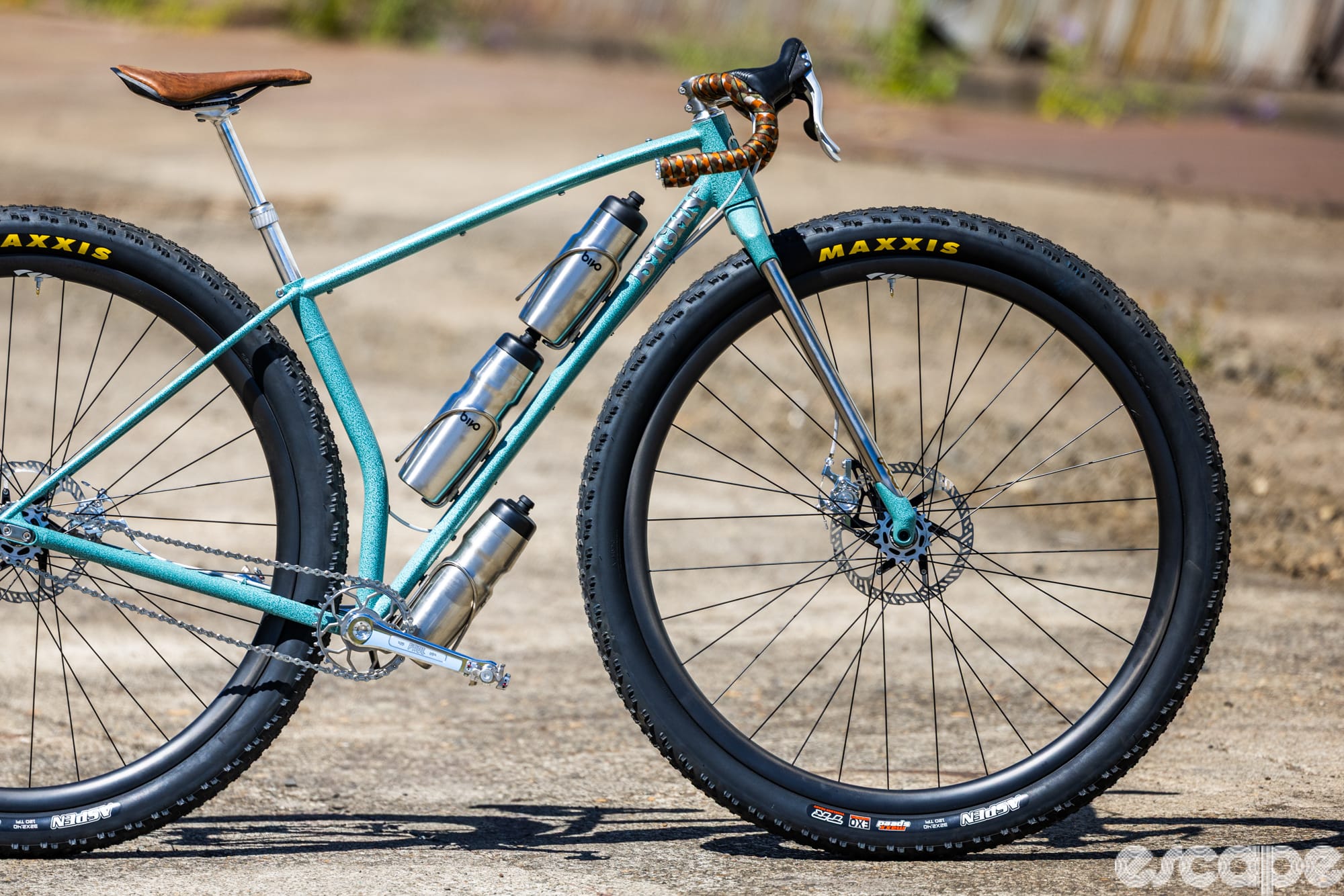
BTCHN’ Bikes Gravel
Tyler Reiswig builds under the BTCHN’ Bikes moniker, and had chosen to fabricate a gravel bike around the big wheels. When deciding on the style of bike to apply 32” wheels to, Tyler thought he would learn best by replicating his most ridden bike – a five-year-old 29x2.3" singlespeed gravel bike (singlespeed for the lack of maintenance; like many of us in the bike industry, his personal bikes tend not to be too well cared for!).
At the time, that bike had fairly progressive trail geometry, with a 68° head tube angle, 89 mm of trail, and a 35 mm stem length.
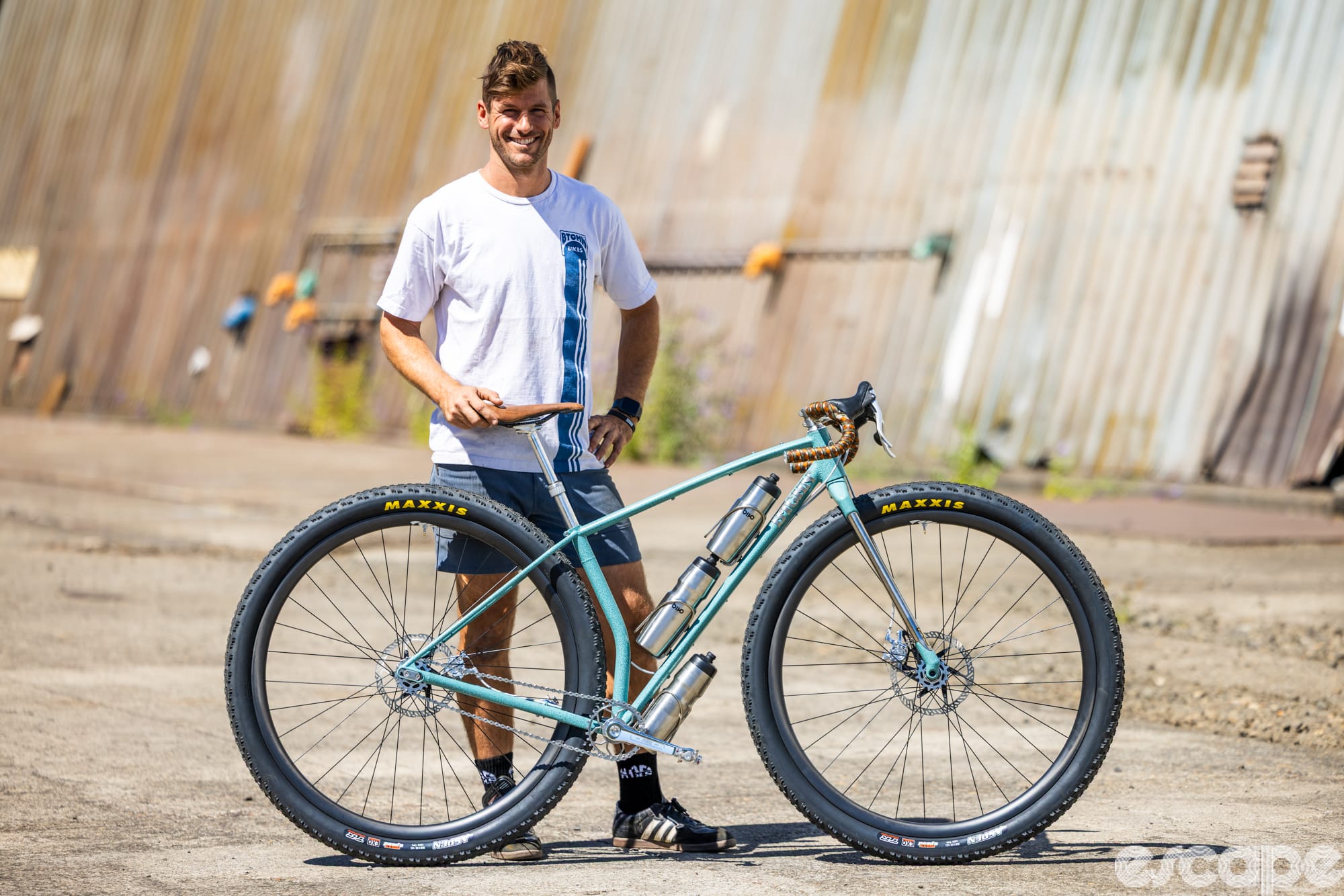
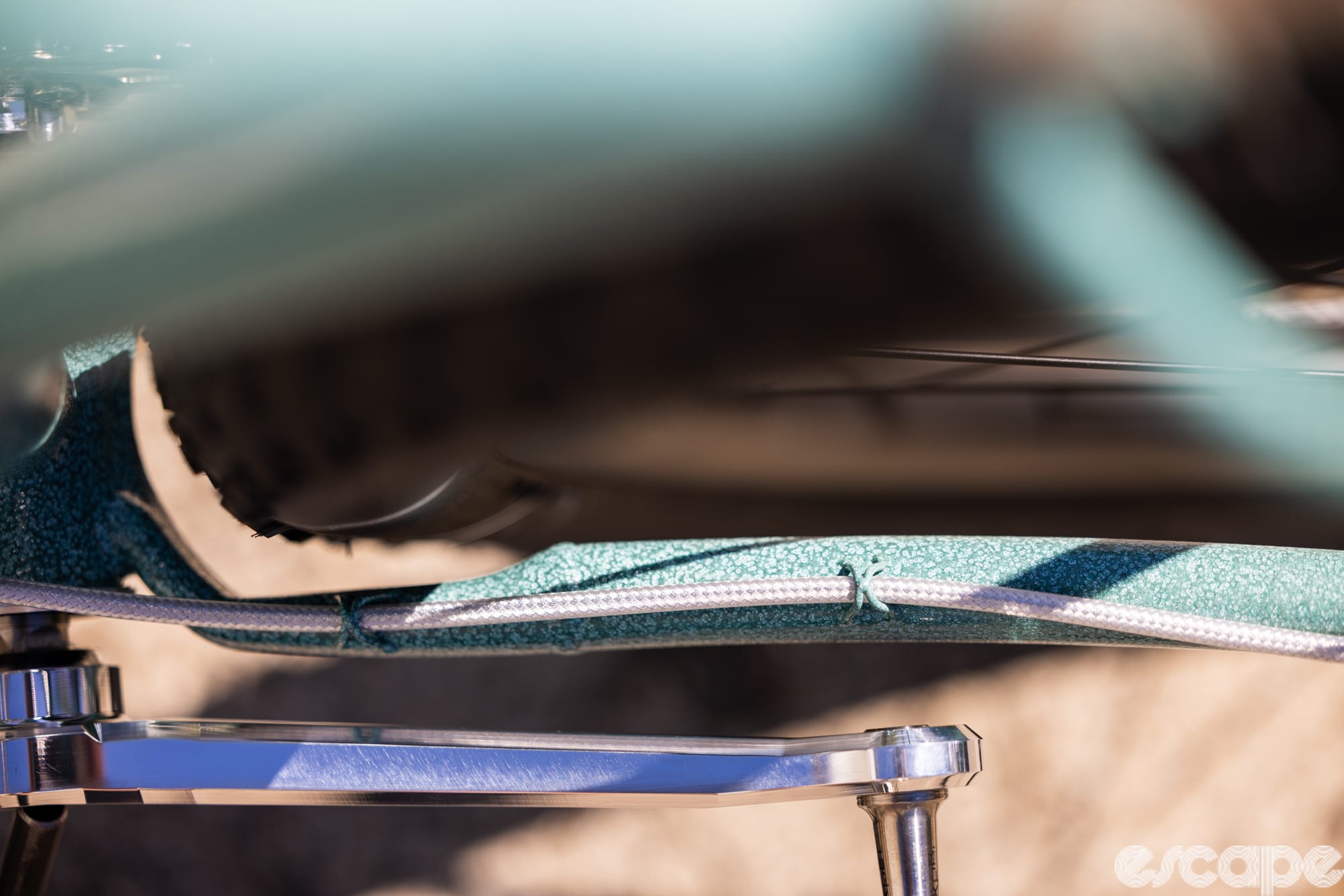
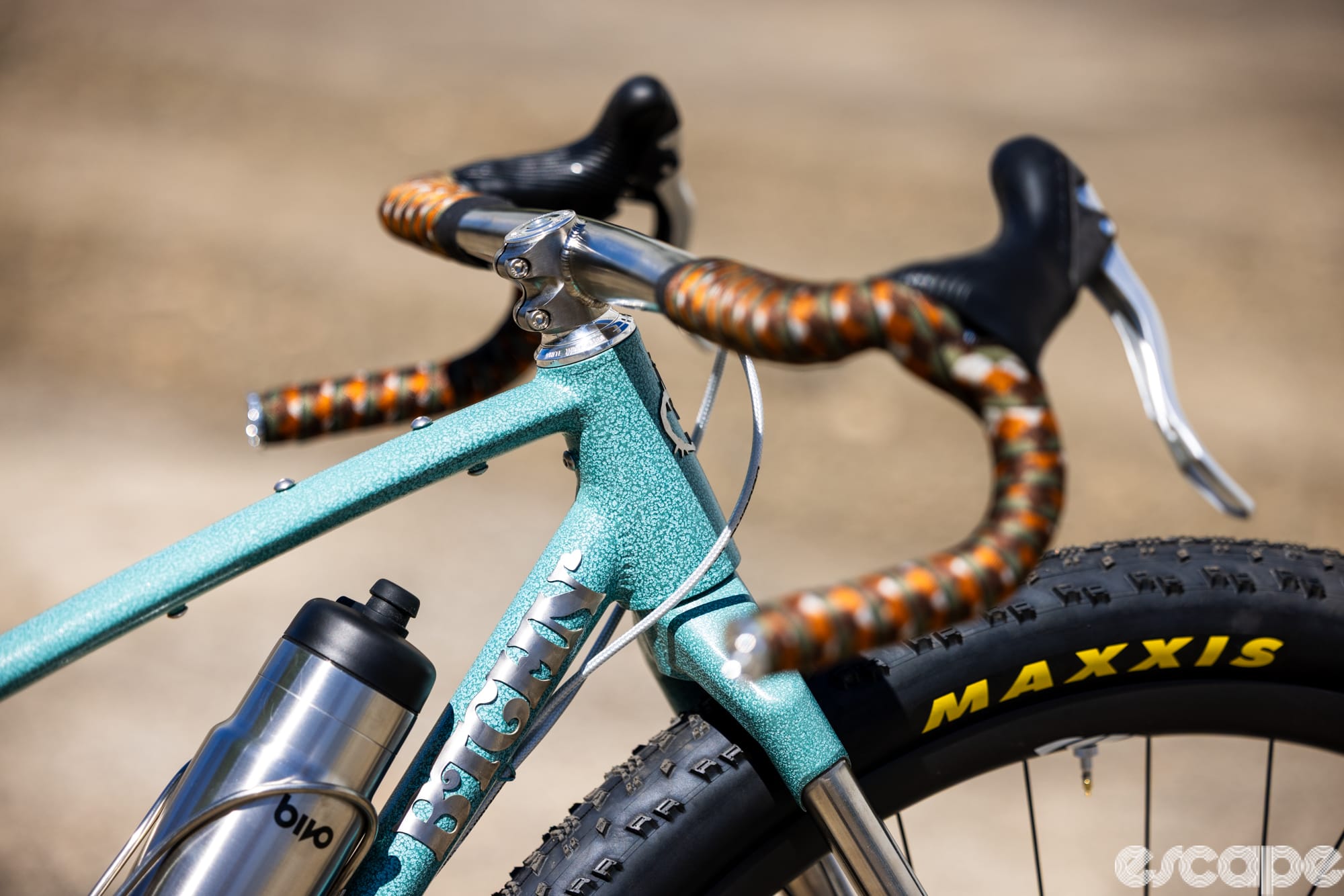
With the goal of matching the fit and geometry as closely as possible, the 32” version has a 70° head tube angle with 55 mm of fork offset to yield the same 89 mm of trail. A custom bar/stem with an effective 16 mm stem length enabled the correct fit with good toe-wheel clearance.
Reiswig has a handful of rides on the bike now, but ridden with intention on routes he knows well to enable a good comparison. He rides the local mountain bike trails on his gravel bike, and they can be pretty punishing without suspension. One challenging climb has loose rock over lava cap with no dirt and no clear line, requiring speed and power to get up. The first time up on the big wheels and he felt like he should be at the most difficult section before realizing that it had passed without being noticed. He could actually ride a bit slower and still climb easily. That first impression continued on other climbs – including setting a personal best on a climb previously ridden on both rigid and suspended bikes.
 Josh Weinberg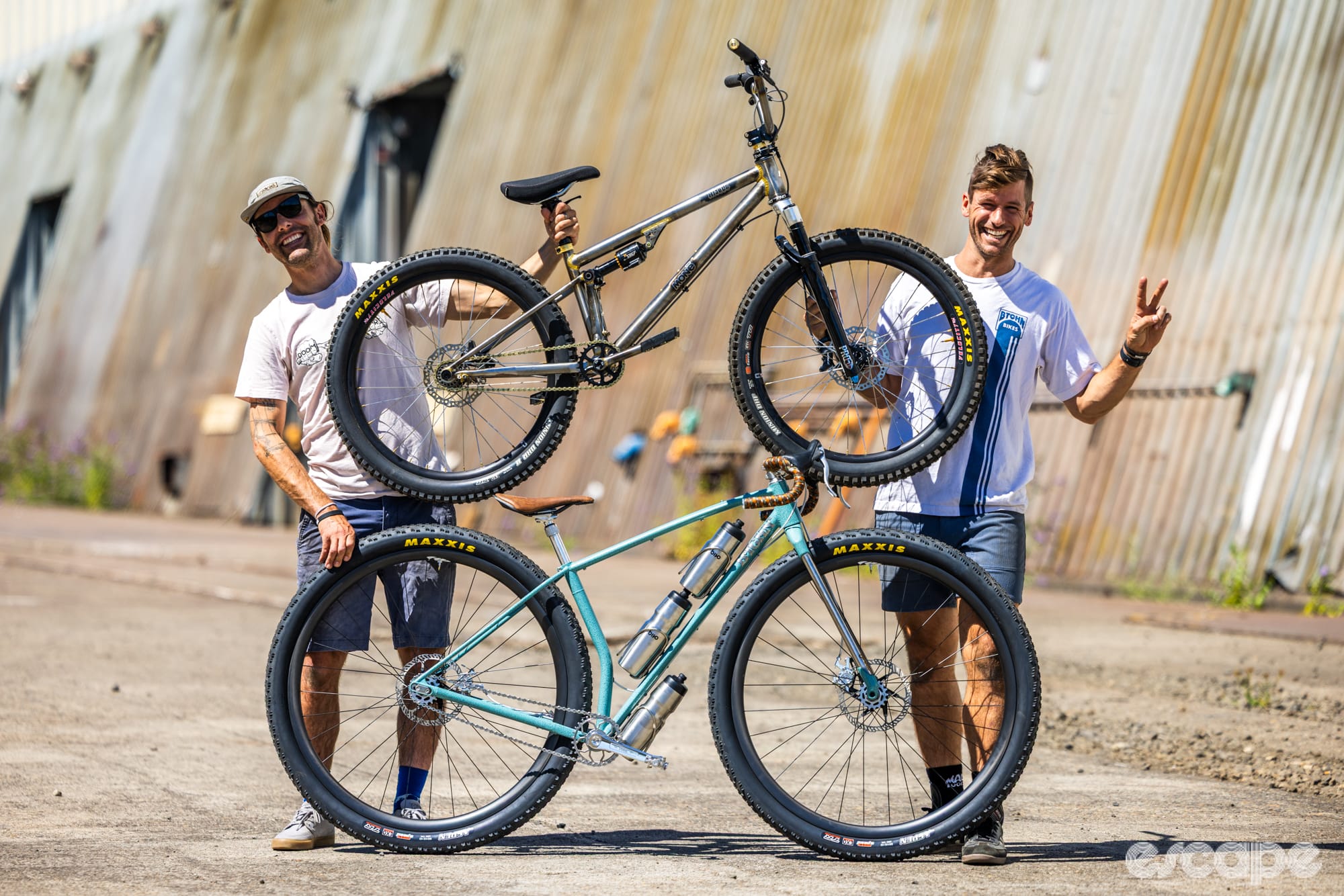
Another noticeable difference is how the bike handles square edges and holes.
“I took an intentionally poor line choice through a chasm of a water rut, but I then entirely botched the timing and sank my rear wheel into the deepest part of the cross rut," Reiswig said. "On my other bike, this would have sent my weight forward and surely would have led to a half-coordinated save. But the larger wheel didn’t sink in as far, which minimized the hang-up and released me with surprising ease.”
In terms of fit related to geometry, Reiswig added, "I’m 5’9” (175 cm) and don’t see any compromises riding 32’s for this style of riding and design application. But if a suspension fork is added, the axle-crown length will likely become a problem for keeping the stack height low enough."
For medium and smaller-sized riders, however, he expects challenges "descending aggressive terrain with buzzing their butt on the rear tire. Especially when using a longer-travel dropper post. But I could see a 29”/32” mullet being a great solution for smaller pilots who are riding the gnarly stuff, but still wanting the confidence and efficiency of a larger wheel.”
In critiquing the handling, Reiswig said the steering feels light and responsive, as he is used to. The only way he could feel the effect of the larger and heavier wheel was to hold the bars straight and then move his body weight, which enabled observing of the additional gyroscopic stability.
The overall take from Reiswig is one of excitement and invigoration around designs and how this wheel size can be applied. He feels that 32” is going to work really well for rougher terrain and can’t wait to build a mountain prototype for himself.
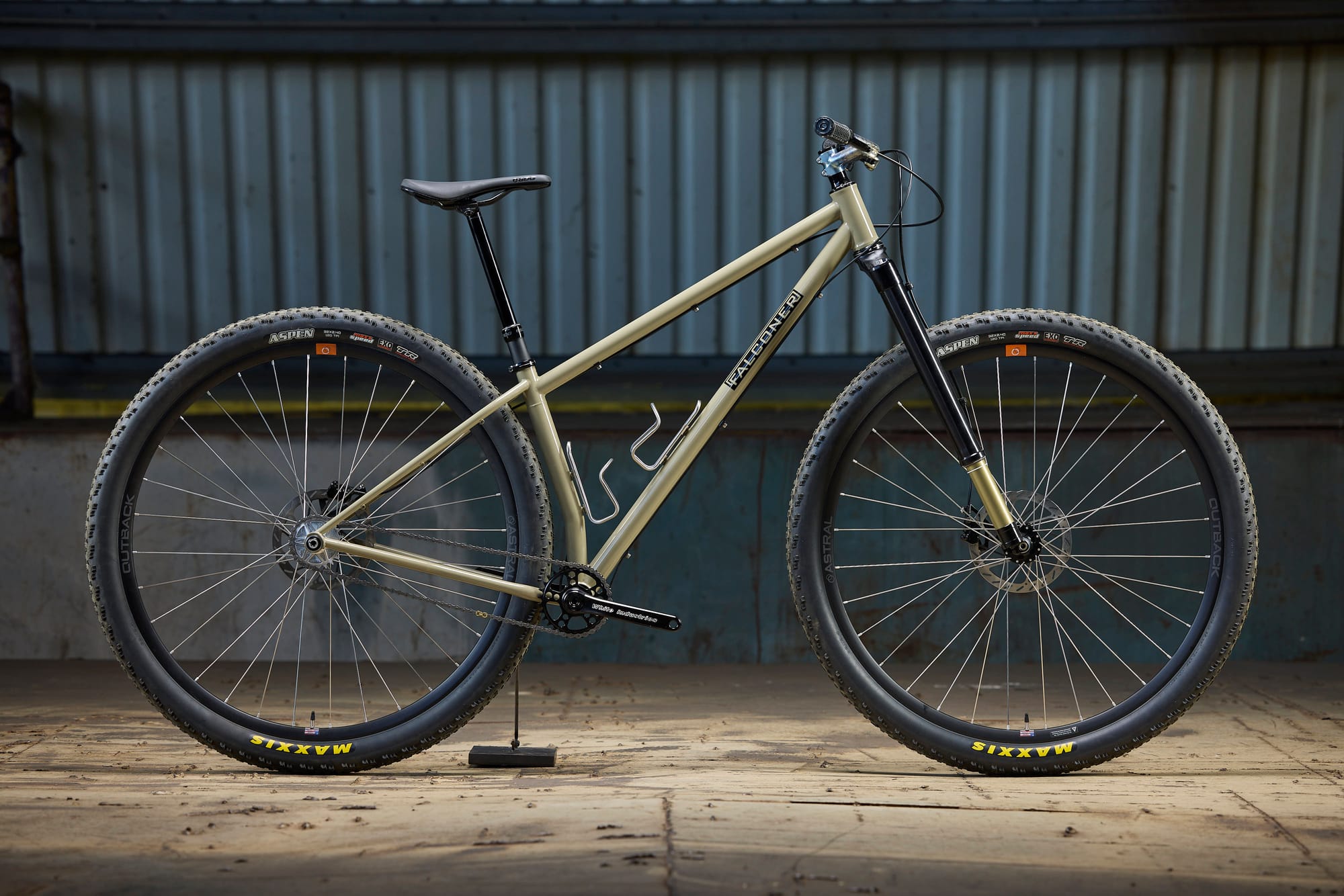
Falconer/White Industries MTB
Cameron Falconer makes bicycles in Northeast California, and partnered with nearby White Industries for his 32” show bike. The bike was built for Alec White, who is around 5’11" (180 cm). At 6’1" (185 cm) himself, Falconer is a bit tall to fit the bike built for White, but close enough to enable some solid test rides to get a feel for the larger wheel size.
Did we do a good job with this story?