
The notice landed out of the blue on the last day of September.
CSS Composites LLC – the parent company of the wheel brand Forge+Bond, and manufacturer of thermoplastic carbon rims for high-profile brands like Chris King, Revel, Bontrager and Evil – was to be wound up, “effective today." The brands that partnered with CSS Composites for their manufacturing had about as much notice as the public: their high-end products, sold on the promise of a lifetime warranty and customer support, were suddenly lacking a key component, and their lifetime warranties were voided.
The brands, having received no advance notice, scrambled to resolve the situation, working out deals with other brands using different technology so that their hundreds of customers weren’t left in the lurch.
“We want to do everything possible to keep customers who bought these products happy, but with the original manufacturer going out of business and being the only company in the world with the proprietary technology [FusionFiber] to make these wheels, and being the ones to actually process and back up that lifetime warranty, I am not sure what to do yet,” Revel’s founder and owner Adam Miller told Escape Collective candidly the day after the announcement.
 Iain Treloar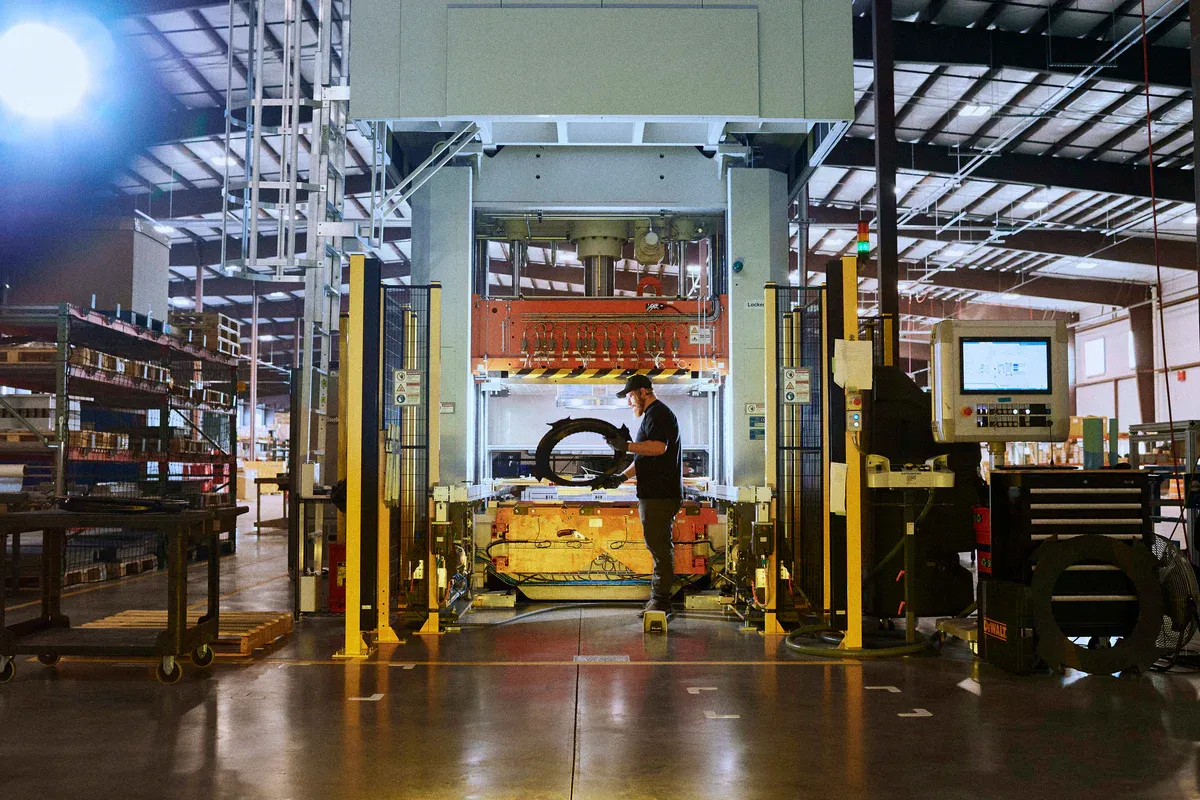
After weeks of fraught negotiations, Revel later announced that Industry Nine would be handling its warranties, with the cost subsidised mostly by Revel; Chris King and Evil partnered with NOBL, and Reynolds stepped up to offer discount pricing to any CSS wheel owner, with a company spokesperson saying that "we didn't create this problem, but we can help solve it."
The apparent abdication of CSS Composites’ obligations to its consumers and OEM customers rankled, certainly, but the whole affair was initially tempered with a sense of sadness – that a manufacturer that was producing innovative parts in the USA couldn’t make it stick, presumably with the loss of a number of jobs as a result.
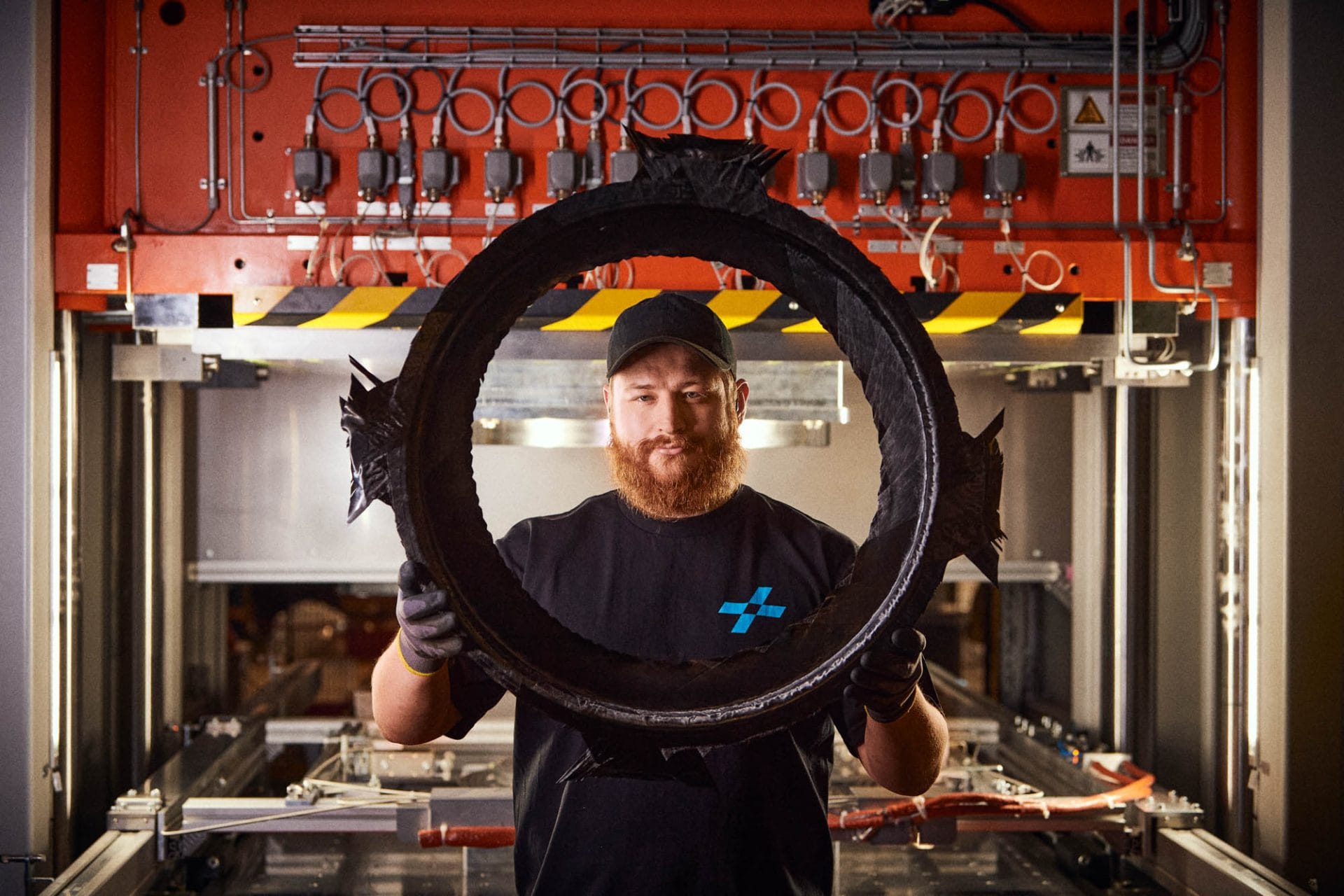
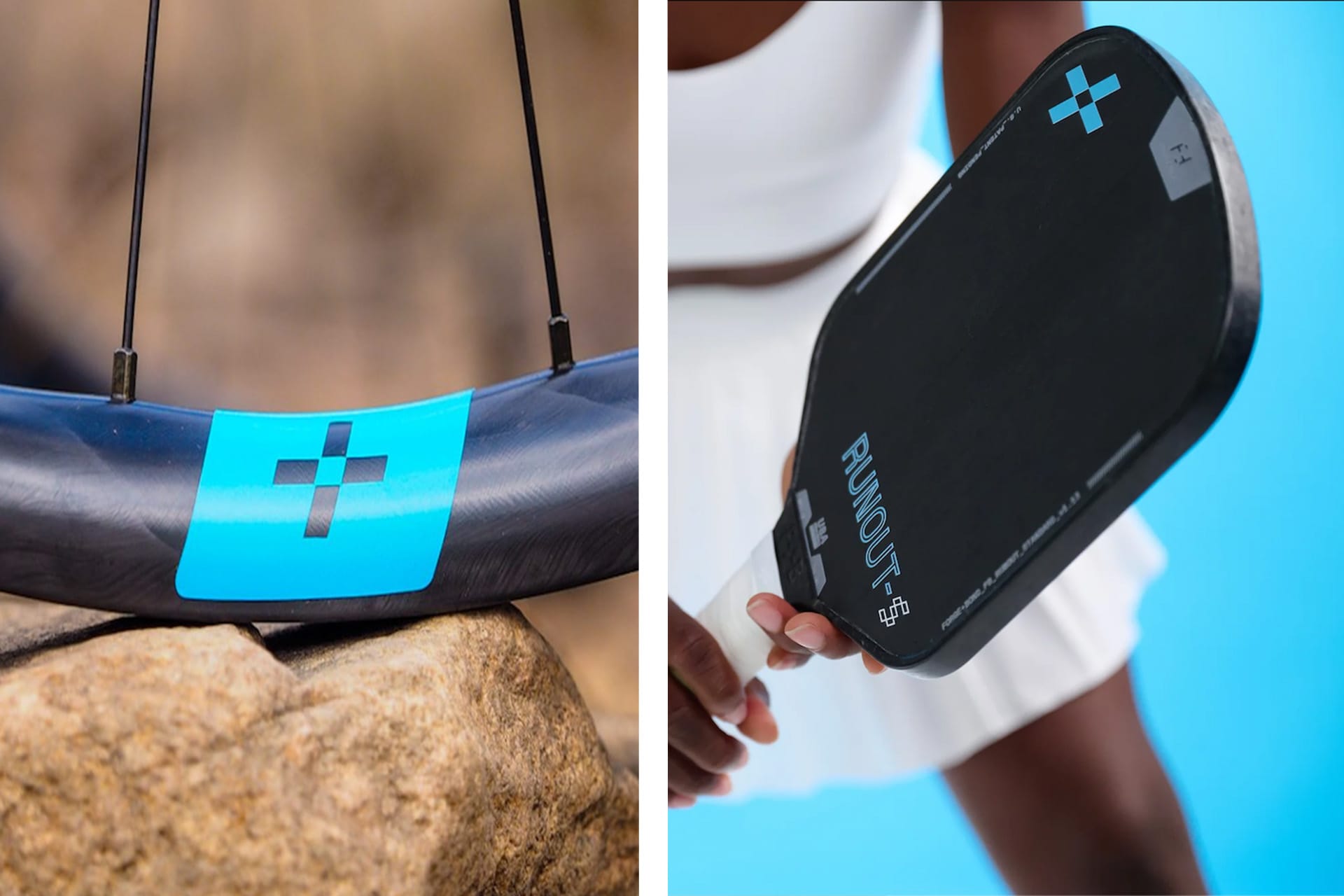
That mournful sentiment may change, however, with the announcement that the Forge+Bond IP and branding has just been relaunched in a different industry altogether. As of two weeks ago, Forge+Bond – now stylised F+B Sports, or "F and B" – is a pickleball paddle company, using the same FusionFiber technology, apparently operating out of the same facilities in Gunnison, Utah that CSS Composites used to trade from. Sitting over the top of all of the above is Future Comp, a manufacturer of thermoplastic-infused composites founded by father and son, Roland and Jason Christensen.
How does a wheel brand in liquidation, in such dire straits that it couldn't fulfil its warranty obligations, seemingly re-emerge as a pickleball paddle company in the space of less than a month?
A great question. Let’s dive in.
Layers of LLCs
The Christensens’ network of companies is substantial: Future Comp is among the most prominent, but there are others associated with the family. Jason Christensen is currently president of ACT Aerospace, a company that is today a manufacturer of components used by brands in the defence industries, but had its origins in the manufacture of prosthetic limbs. It counts Sikorsky (a Lockheed Martin company), Boeing, Bell Helicopters, and L3Harris technologies (which manufactures military drones, among other things) as clients. Jason’s father and predecessor as ACT president – now its CEO – Roland Christensen, also founded Christensen Arms in 1995; the company makes composite-barrelled rifles and accessories. Christensen joked in one old interview about his business spread being “a 'shoot the guy in the foot, and we'll build you another foot' type of thing, I guess."
Did we do a good job with this story?